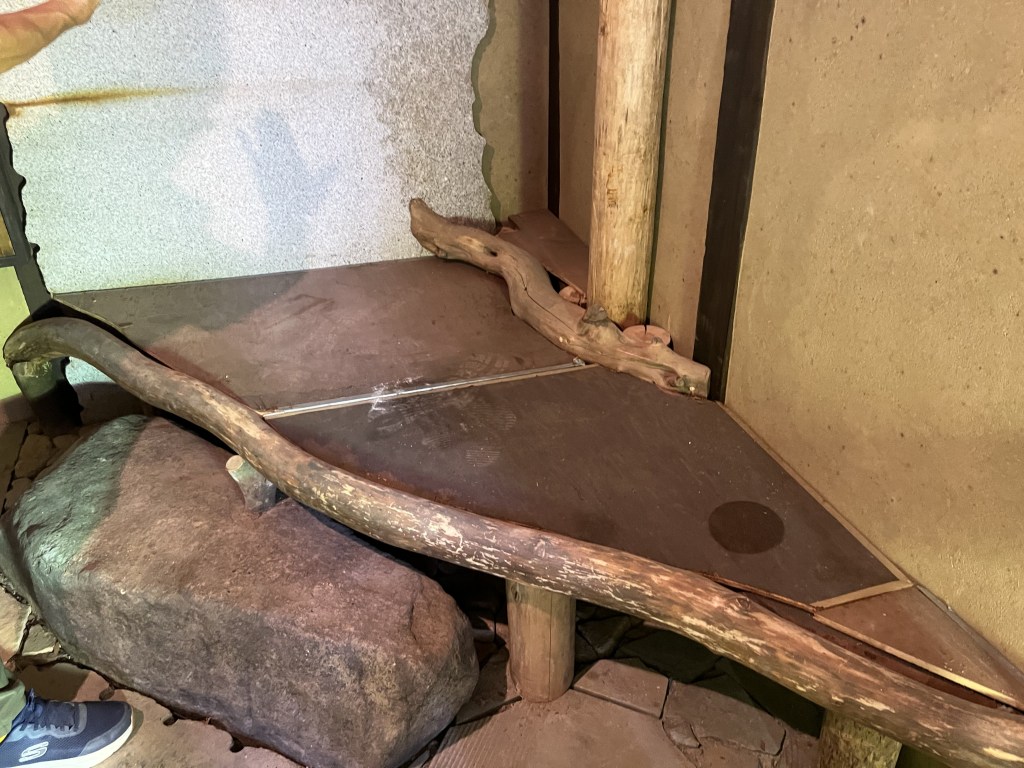
Still in the heat, on 2 September I went along with Hiromasa, who had to take measurements at Yoshikawa-san’s, the traditional gardener I mentioned earlier. The gardener was busy renovating an old garden shed into a sort of sake bar, and had therefore seen Hiromasa on TV as a gifted tatami craftsman. For the most visible corner in his bar, he thought it would be nice to put a tatami mat there, but not just any mat. The tatami had to follow the shapes of the winding wooden trunks (see photo). No straight sides, or if necessary a round whole, which Hiromasa has experience with, but something completely new.
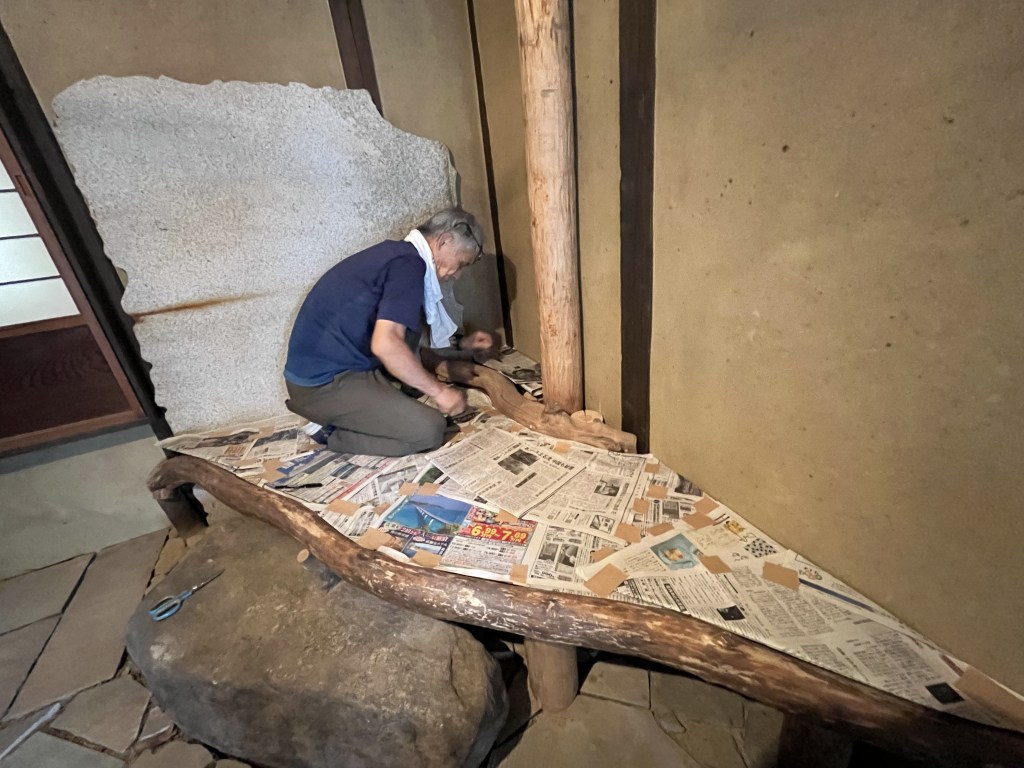
To accomplish this, as is actually always the case with tatami, very precise measurements are necessary. But because this does not involve straight sides that are easy to measure with a tape measure, Hiromasa has to use, among other things, a large stack of newspapers that can be laid and folded precisely into the shape of the surface, acting as a kind of template. After sticking all the pieces of newspaper precisely into the frame of the future tatami mat, he takes this shape with him to the workshop so that he can then cut the base of the tatami to the correct dimensions.
During the process, the job actually turns out to be more and more difficult than initially thought, although Hiromasa certainly hadn’t thought it would be easy beforehand. He would have to go back to Yoshikawa-san’s project later in September to take even more thorough measurements.
In the meantime, the ‘normal’ work in the tatami factory also simply continues. A family living nearby in Izumi, for example, is waiting for the new tatami mats they ordered. On 3 September, the mats are completed with the utmost care so that they can be delivered and installed in the room by the end of the afternoon. Just as we were driving away from the workshop, it started to rain lightly. Not ideal for transporting tatami mats, as they are sensitive to water. When we arrived at the family’s house just five minutes later, it had started pouring down.
Such a downpour that you get completely soaked within two seconds if you stand outside. Impossible to carry tatami mats from the car to the house. We ended up parked for a full three-quarters of an hour in the customer’s driveway with six tatami mats in the truck bed, waiting out the downpour. Fortunately, Hiromasa had taken the chance of rain into account and had safely placed the tatami mats under a tarpaulin. Force majeure, that’s just part of it sometimes. “自然には勝てない Shizen ni wa katenai,” Hiromasa aptly said – “you cannot beat nature.”
But with some patience we were still able to accomplish the mission once nature’s fury had subsided. Hiromasa quickly and carefully laid the tatami mats in the right places, and the family’s young children immediately came to test the new floor by jumping heavily on it and running around in circles. The youngest of the bunch strongly reminded us of the iconic anime character Shin-chan. He was just like a firecracker, and frequently had to be kept in check by his big brother. A memorable scene!
An unusual guest had arrived at the hostel at the beginning of September: a 73-year-old Serbian woman who was going to stay here for two months as an artist. As it were, the successor to Miyachi-san. Because coming to Japan all by herself is quite an adventure for the new artist, Vera, I was open to showing her the ropes a bit here. However, this did not always go smoothly, and there were severe teething problems in the first weeks, particularly with communication involving Issei…
Before the weekend I had made plans to go into the city again, and the Serbian artist was keen to come along with me, partly because she needed to exchange euros. Going to the big city on her own was still too challenging, she felt, and I quite understood that. Therefore, she was able to tag along with me for her first adventure to the major city of Osaka. Together we took the train from Izumi-Chuo to Namba, and it was nice to see that she was amazed by almost everything she saw. She also frequently worried whether she would be able to do this on her own later. I tried to reassure her that it would all turn out fine. After accompanying her to the bureau de change in Namba, she treated us to takoyaki, a well-known local snack. Because I had plans of my own, we said goodbye to each other after eating and I left the older Serbian lady to the chaotic streets of Osaka…
My plan for that day was to go record hunting in Shinsaibashi and Kitahama. I am particularly looking for Japanese ambient records (kankyō ongaku, as the genre is often called in Japan), but the ones I know well have since become rare collector’s items with a hefty price tag. Artists such as Hiroshi Yoshimura, Ken-Ichiro Isoda and Takashi Kokubo have suddenly been rediscovered since 2017 and have soared in popularity. I too found myself among the new group of enthusiasts, and when I think back on it I remember that this music was one of the primary reasons for me ever wanting to visit Japan.
In the record shops in Osaka I therefore mainly had to look for records by the even lesser-known and legendary artists, and luckily there are plenty of those here. The right record shops have whole crates of albums labelled ‘ambient’ or ‘new age’. In these crates I see not only some artists known to me, but also many unknown vinyl records with interesting album covers that are worth sorting through. In this way I also get to know more (Japanese) artists who fall within the kankyō ongaku genre. It actually feels like the pre-Spotify and YouTube days again, when I looked around the internet at music lists and mainly listened to albums that had an appealing album cover. That was also how I discovered a lot of my favourite music back then.
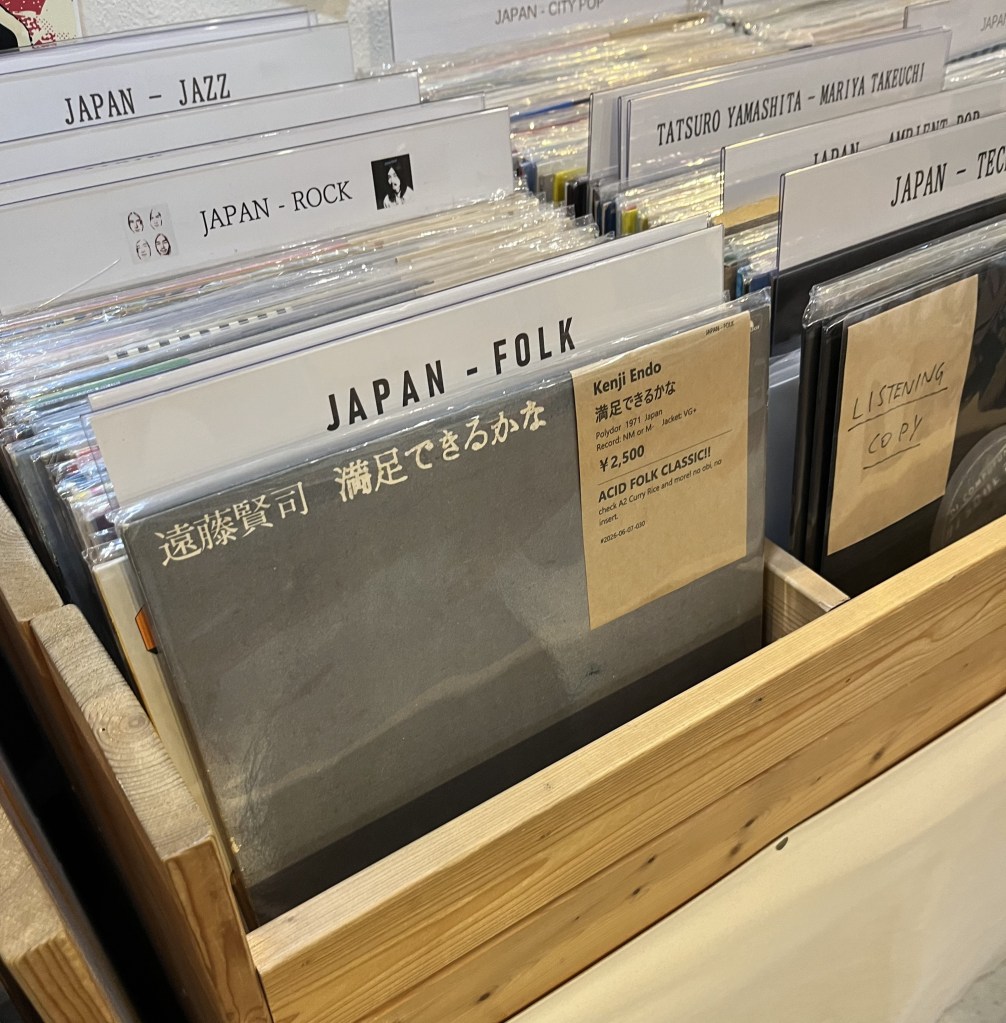
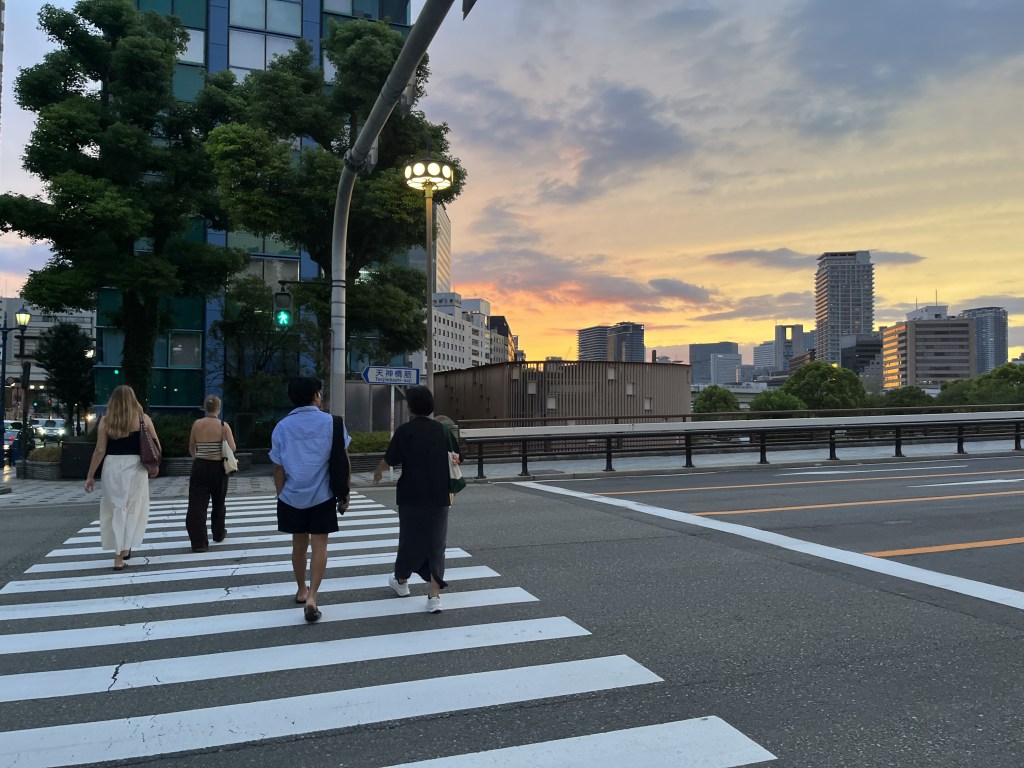
This was in Shinsaibashi, near Namba. Later I continued my way to Kitahama, where there was another record shop that specialises in ambient and electronic music. My unexpected visit to this district of Osaka was a bullseye, because not only was the record shop a success, but Kitahama also turned out to be a valhalla for a curry lover like me. Google Maps showed an abundance of well-reviewed curry restaurants, so it quickly became clear to me that I would have to come back more often.
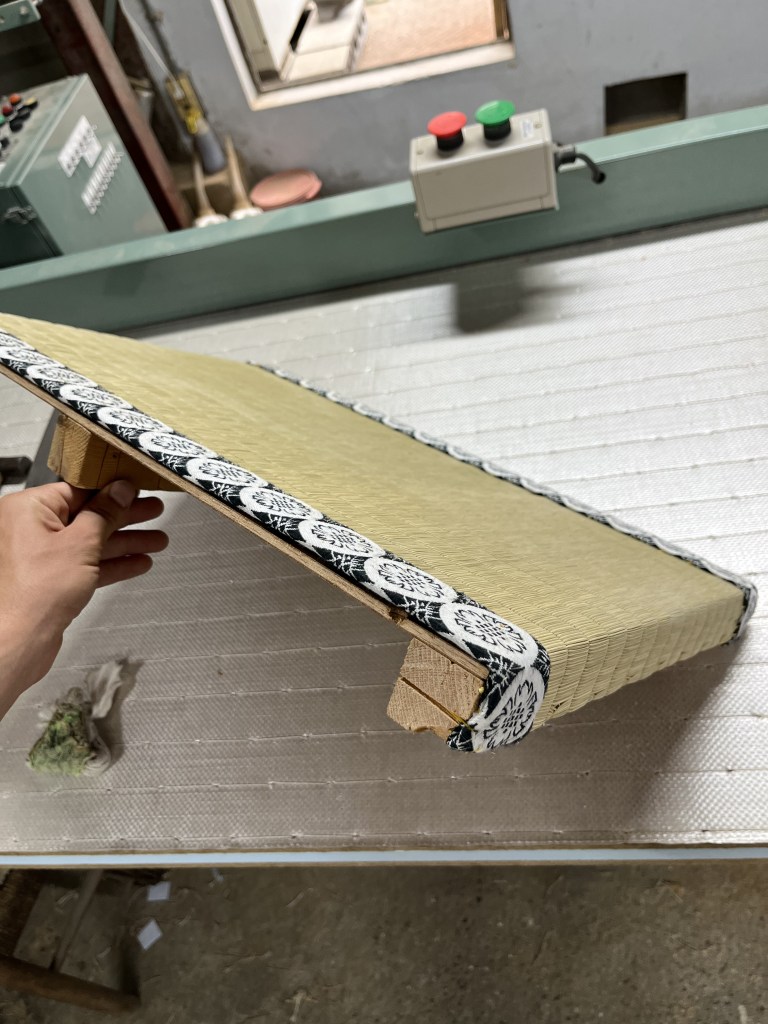
After the successful weekend, I was allowed to busy myself in Hiromasa’s workshop again with making a tokonoma. This time an extra special one, namely one with a wooden subframe. Hiromasa had already made such a tokonoma once before for practice, so the wooden subframe only needed to be slightly touched up with the saw to meet the dimensions of the new tokonoma.
By now we are further into September, and the temperatures have dropped to such an extent that a pleasant evening stroll is possible again. However, it is still far from cool in Izumi…
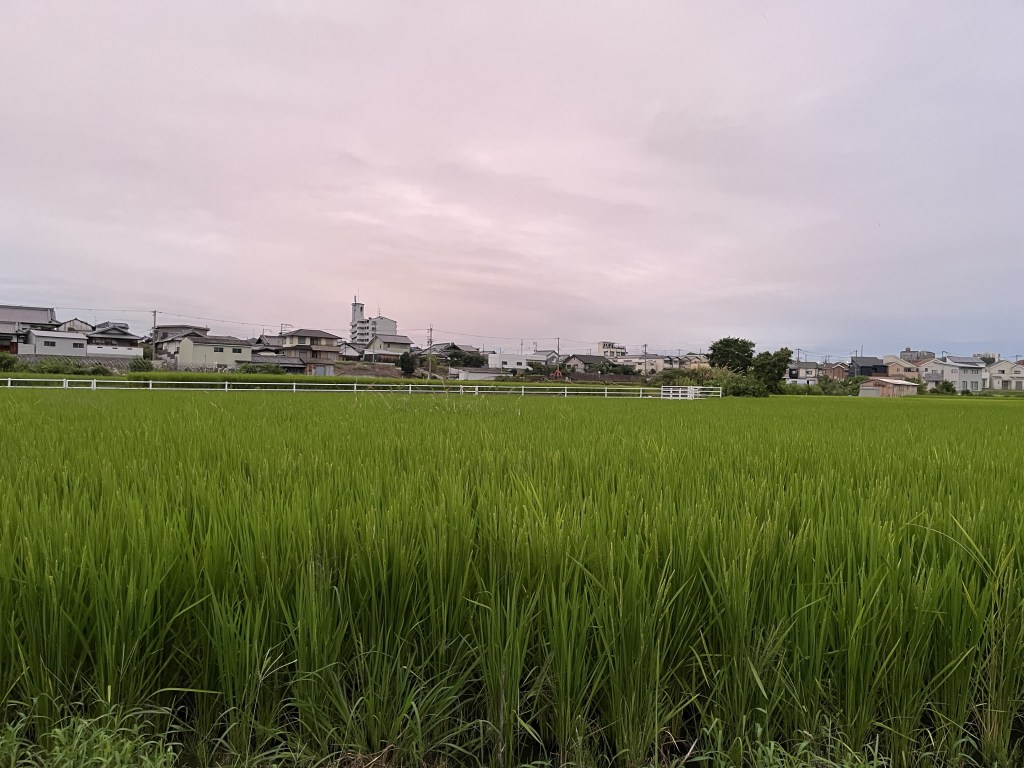
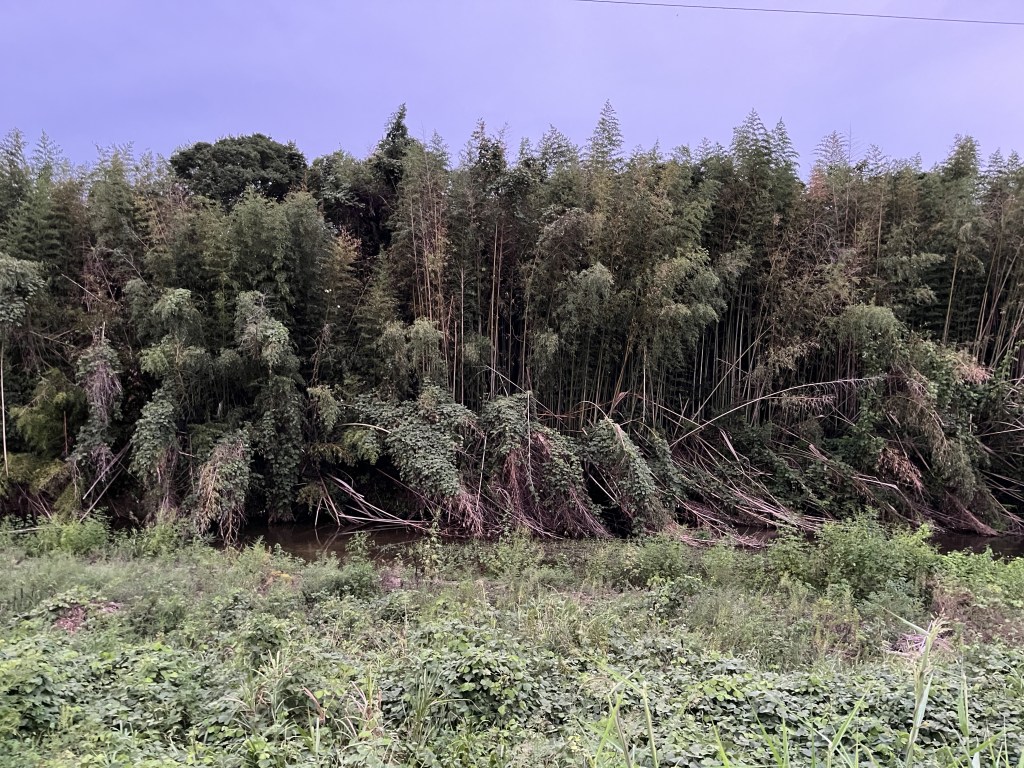
An important, unseen part of tatami mats is the tatami doko, or core. Traditionally this is made of compressed rice straw, but nowadays the core is always at least partly made of styrofoam, a petroleum-based synthetic material. Rice straw cores are nowadays hardly made anymore in Japan, because the material is virtually no longer available.
This has to do with the fact that nowadays most rice plants are harvested by machine, and the crops do not have enough length for use as a tatami core. In addition, the transition to styrofoam has caused a huge drop in active skilled workers who can still make traditional tatamidoko. This makes fully traditional (made in Japan) tatami mats almost unaffordable.
Naturally, Hiromasa, as a seasoned tatami craftsman, has kept old contacts warm, and still has ties with a very old family business in Nara Prefecture that specialises in traditional rice-straw tatami cores. We visited this factory on 11 September, partly because Hiromasa naturally has residual material that can be reused by the factory in Nara in new tatamidoko. In return, Hiromasa can get bundles of dried rice straw from the factory, which his Dutch apprentice, annex helper, can use for new, handmade tatami mats.
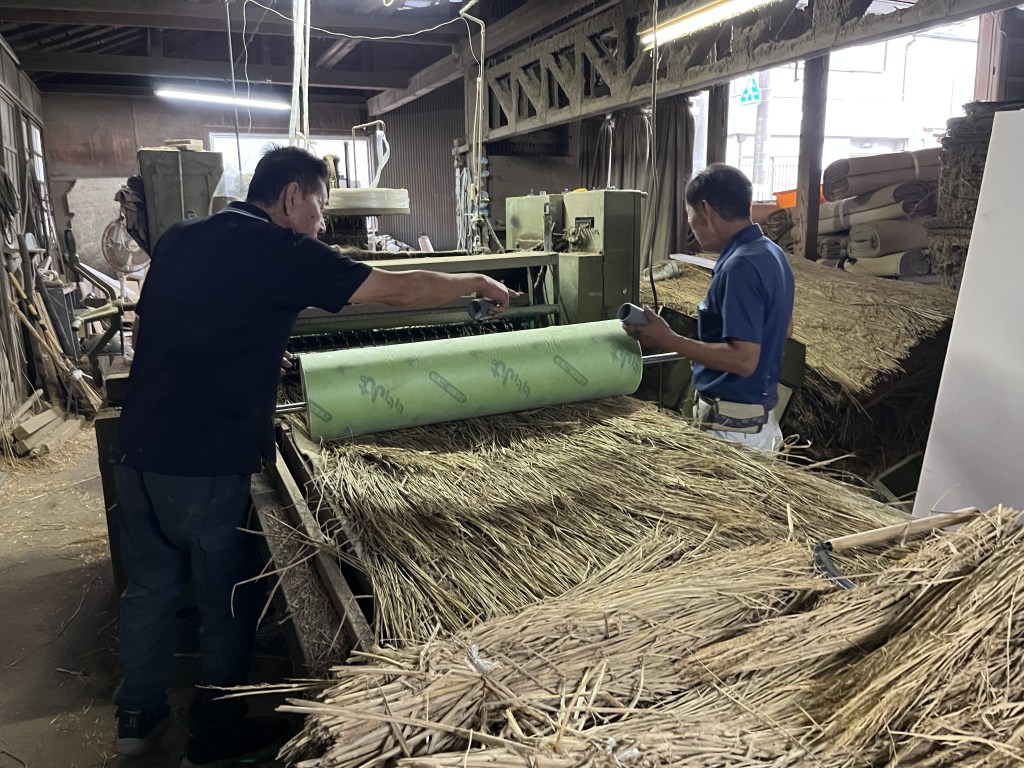
The tatamidoko factory is located near Kashihara, about an hour’s drive from Izumi. It is clearly a place that has seen its heyday pass. The factory exudes faded glory, which was well emphasised by the repair of the most important machine, which had just started up when Hiromasa and I arrived. So we had to wait a moment to see the machine in action. Three men were busy with the large apparatus: one specialised repairman and two brothers who turned out to be the owners of the traditional business.
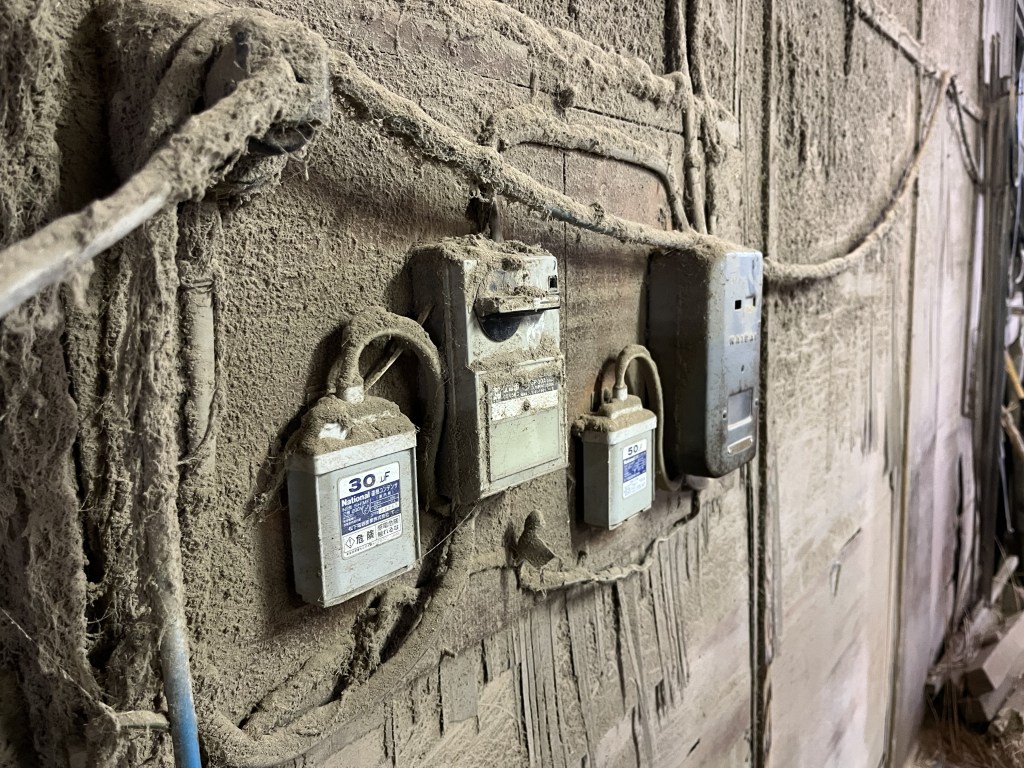
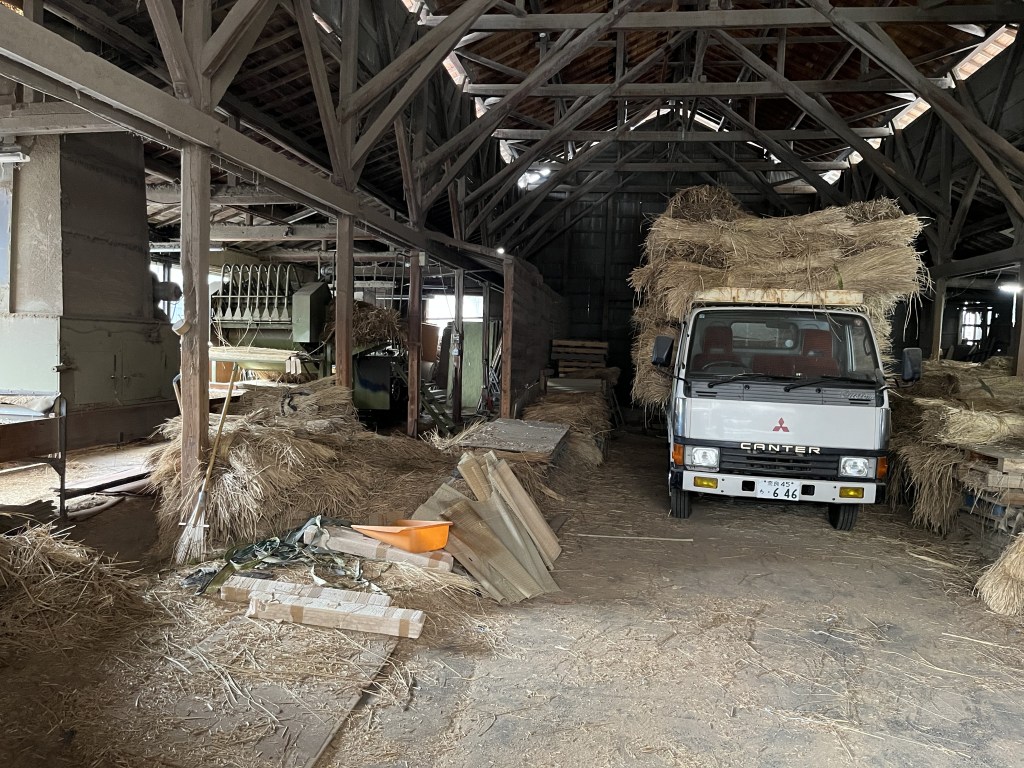
Nevertheless, my eyes nearly popped out of my head. The machine was exceptionally long and was housed in a sort of shed where all corners and crannies were completely filled with dust that had clearly been accumulating for years. Next to the room with the machine was an even larger shed area where mainly bales of rice straw were stored and a company truck packed with even more rice straw.
When the machine was finally ready for hard work after some time, the brothers took their positions and started the craft that is almost extinct in Japan. For them, however, it was clearly routine work, as true craftsmen always make their profession look. Yet they run the only remaining business in the entire Nara Prefecture, and certainly one of the few in the whole of Kansai, and what they do there is remarkable to say the least. You see history in action and witness a tradition that unfortunately no longer knows new generations. At least, that is what it looks like.
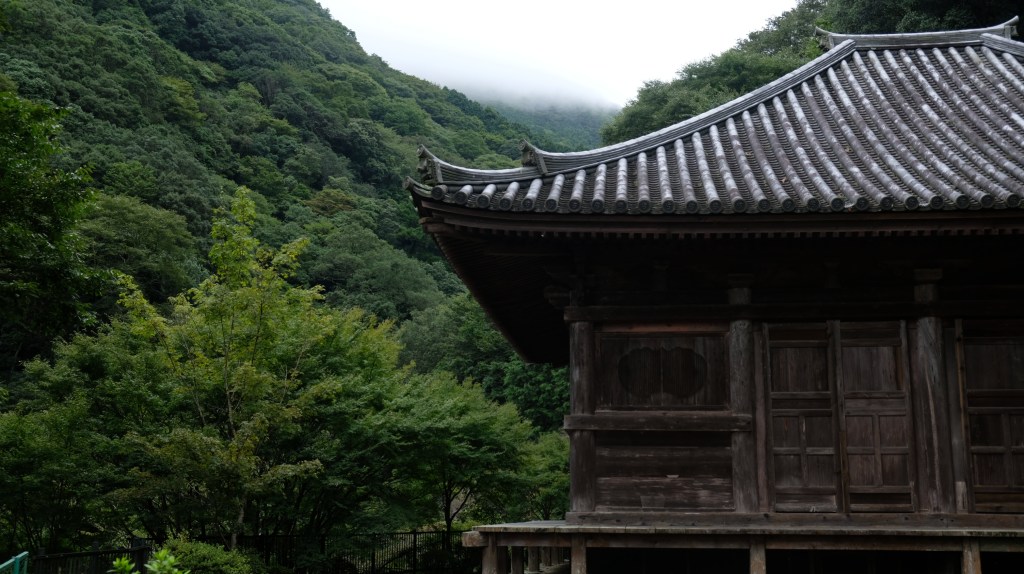
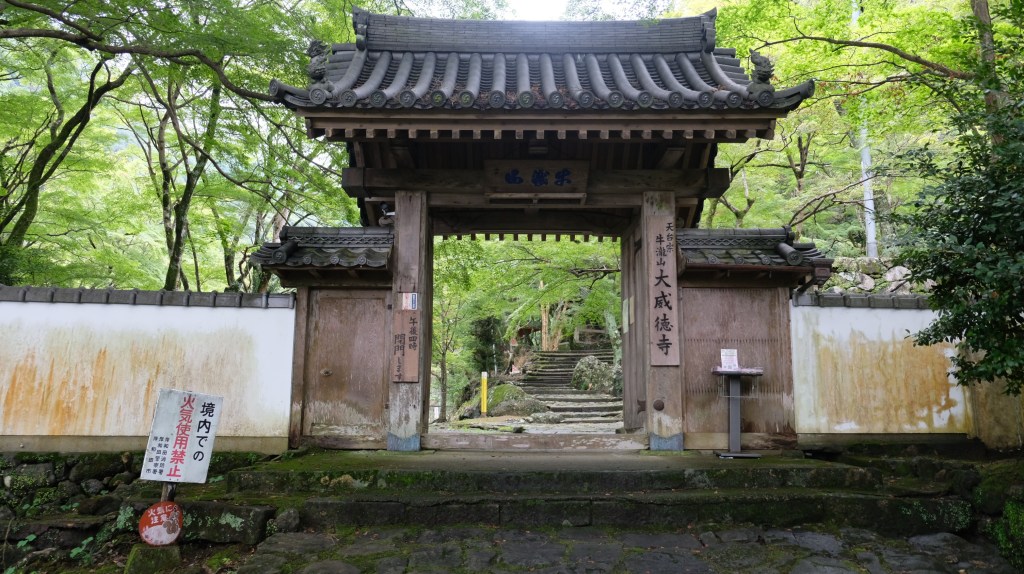
Autumn is really starting to arrive by mid-September. It is time again to head out on the bicycle. I chose a new destination: Ushitakisan Daiitoku-ji, about an hour and a half’s ride from Fujitatami. It is a temple known for the statue of a cow (ushi) and how beautiful it is said to be when the autumn colours are at their peak. It was still far too early for those autumn colours, so after a fair bit of slogging and sweating on the bike (cycling up about 400 metres), I arrived into a serene calm with a handful of other cyclists. However, I look quite out of place with my city bike, complete with basket and seven gears, amongst the proper cyclists on road bikes in full cycling gear.
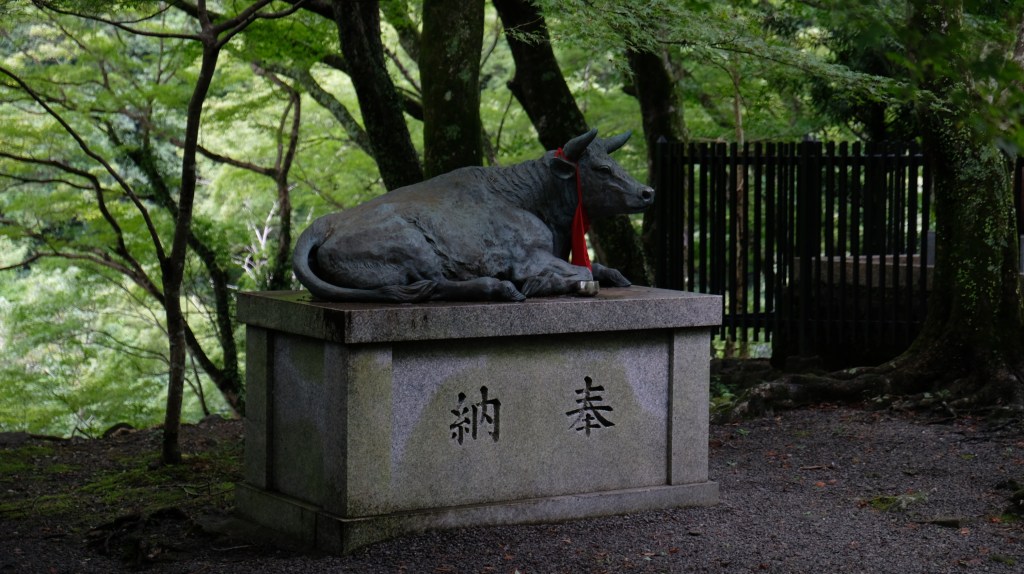
Whilst exploring the shrine and the surrounding area, I see how nature has just carried on through the mercilessly humid heat over the past few months. It is incredibly green there and teems with life in the form of plants, fungi and small creatures. For the environment here, the hot summer was nothing new. The lush nature with traditional Japanese architecture gave me a sense of timelessness.


Leave a Reply