Catching up on the weeks on this blog still isn’t going particularly smoothly. That’s why I’m going to describe the past few weeks a bit more concisely, so that I can eventually return to blogging more in the present tense.
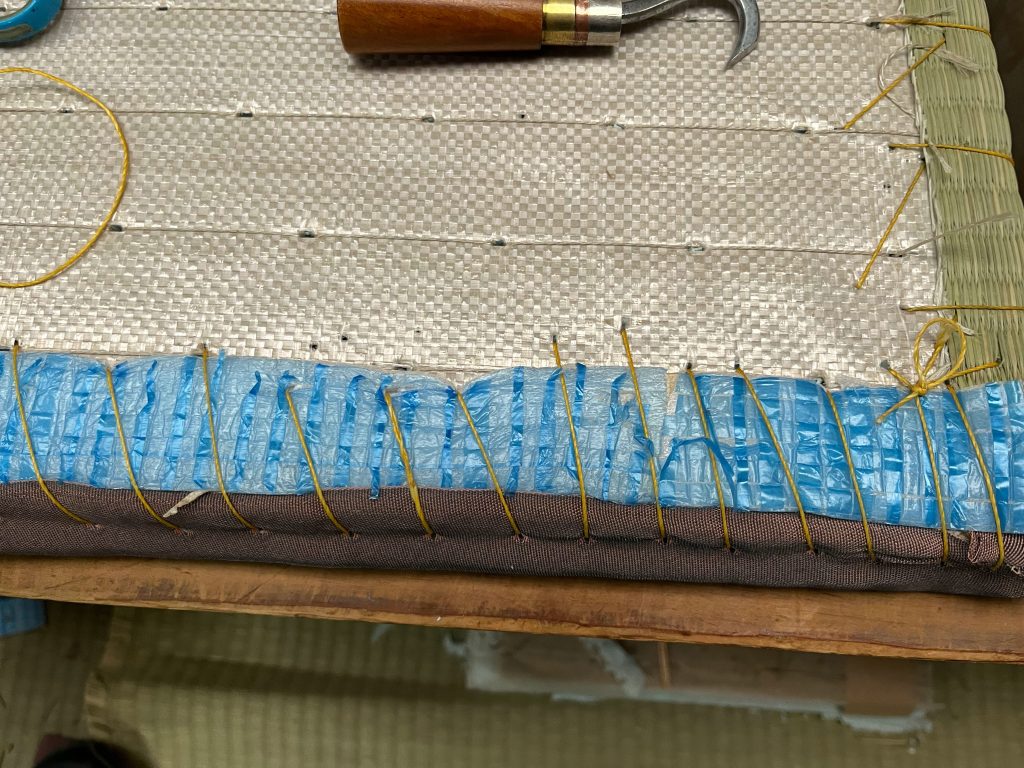
In the previous blog, I had still been writing about the days when the camera crew was here for the final time. Naturally, there were still a number of things they wanted to capture, including my first attempts at practising with the large needle and hemp thread used for traditional hand sewing. As a complete beginner, I had to start at the very beginning: simply working the thread through a rice-straw base with the large needle in order to get used to the sewing technique. Before long, I started becoming accustomed to the feel of it and was able to focus more on precision and placing the needle correctly. Precision, I would later discover, is extremely important in making tatami mats, because even small inaccuracies can result in ugly unevenness and obvious sloppiness.
When you push the needle from top to bottom, you can naturally see exactly where you place it. However, the needle also has to come back up from underneath, meaning you can’t directly see where you are piercing the mat. As a result, the needle often emerges at the top in completely the wrong place. Hiromasa explained to me that, when hand sewing, it is important to feel inside the mat with a finger from your left hand in order to guide where the right hand should insert the needle. Of course, you then need to make sure not to stab your own finger. Hiromasa repeatedly reminds me to be careful and avoid injuries: “気をつけて” (kiwotsukete), or “be careful”. Although efficiency is important in the trade, sensei also taught me the term ‘ぼちぼち’ (bochi bochi) early on: “slowly but surely”.
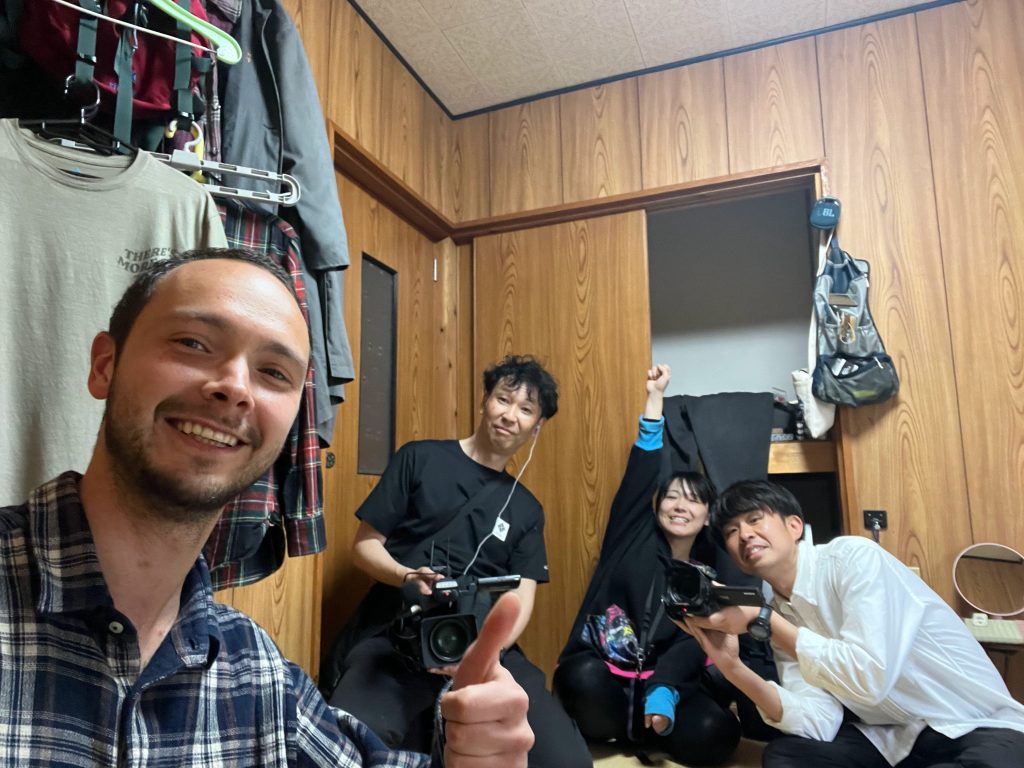
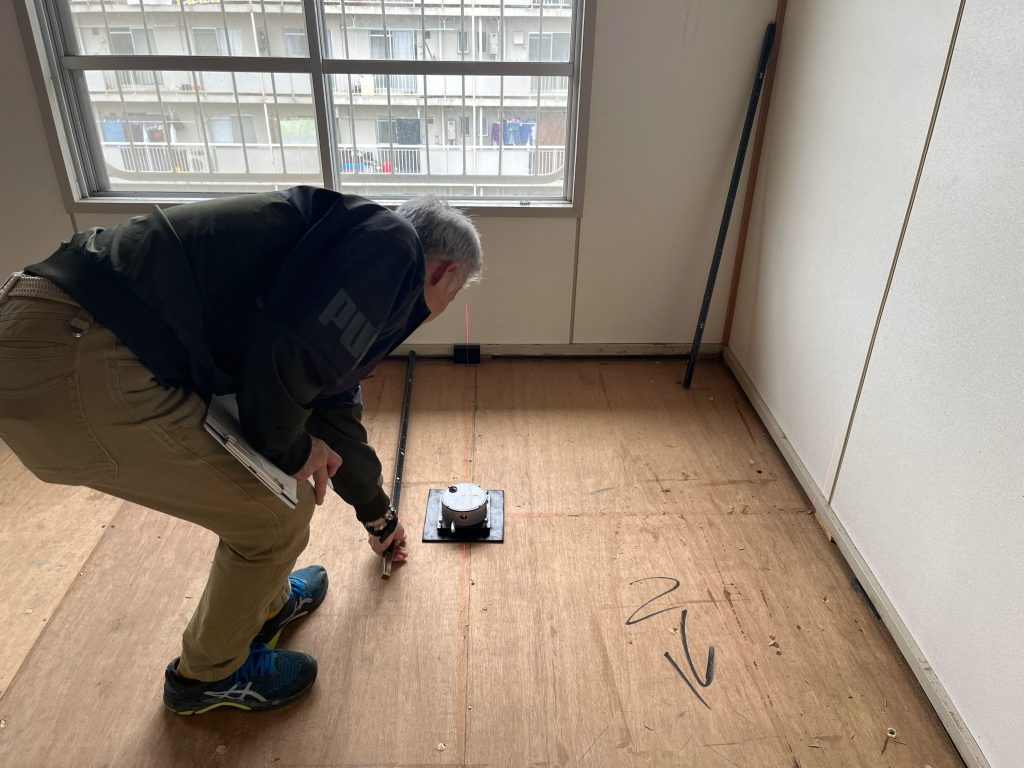
With the film crew in tow, we drove to a private client who is renovating his workshop and requires new tatami mats for one of the rooms. The customer turned out to be a very well-travelled young man who speaks excellent English and still works actively in the travel industry: https://www.bremens.jp/. Here in Izumi, he is creating a sort of small accommodation for tourists in an old house, and he feels it is important for the house to include a traditional Japanese tatami room. “That way tourists can relax and enjoy real Japanese culture.” Hiromasa and I removed the old tatami mats from the room, which turned out to be at least fifty years old. Using a special measuring ruler — not in centimetres or inches, but in dedicated tatami measuring units — along with a laser, Hiromasa carefully measured the room. These measurements are crucial in order to produce perfectly fitted mats with no gaps whatsoever.
That evening, the TV crew invited me out to dinner with them at a conveyor-belt sushi restaurant. The place we went to was familiar territory for me. I’d already been there dozens of times because of the unbeatable balance between price, quality, and quantity. Despite the language barrier, it was a very pleasant evening, and I even picked up a few typical Japanese and Kansai-specific expressions from the crew. It was also nice to spend time with them without a camera constantly present. Naturally, this was an exception, as they were here for work. On the final evening with the film crew, they still needed some more unique footage, namely a FaceTime conversation between me and my mother, who had only returned from Japan a week earlier. We had therefore seen each other very recently, but of course it couldn’t appear that way for TV Tokyo.
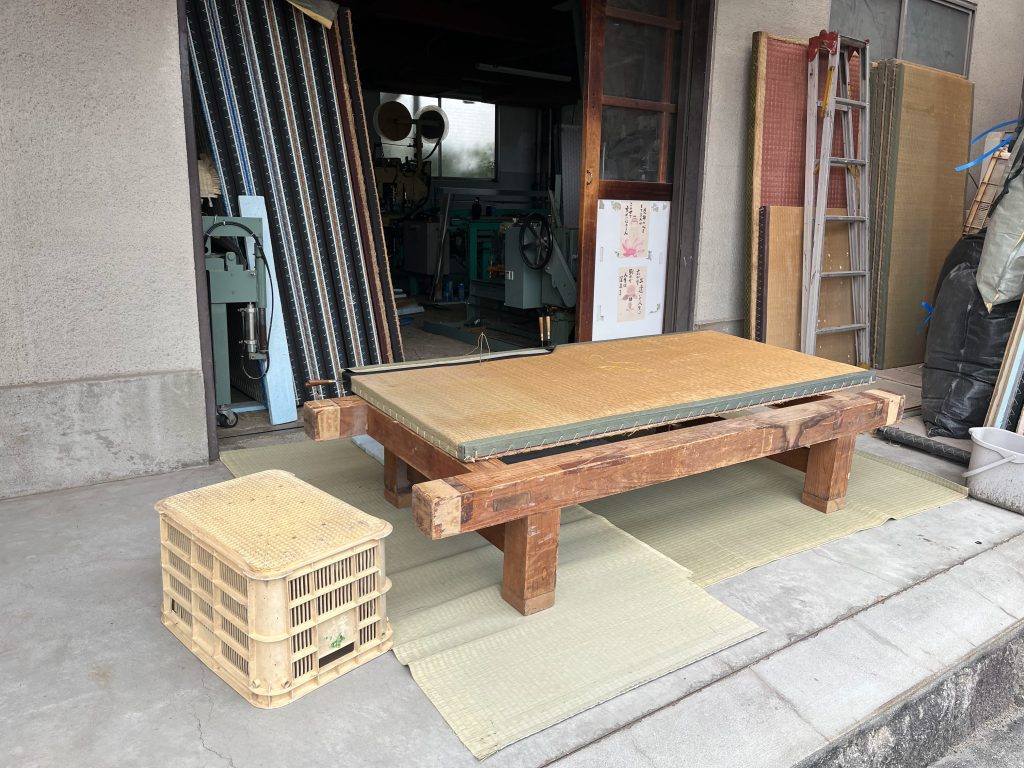
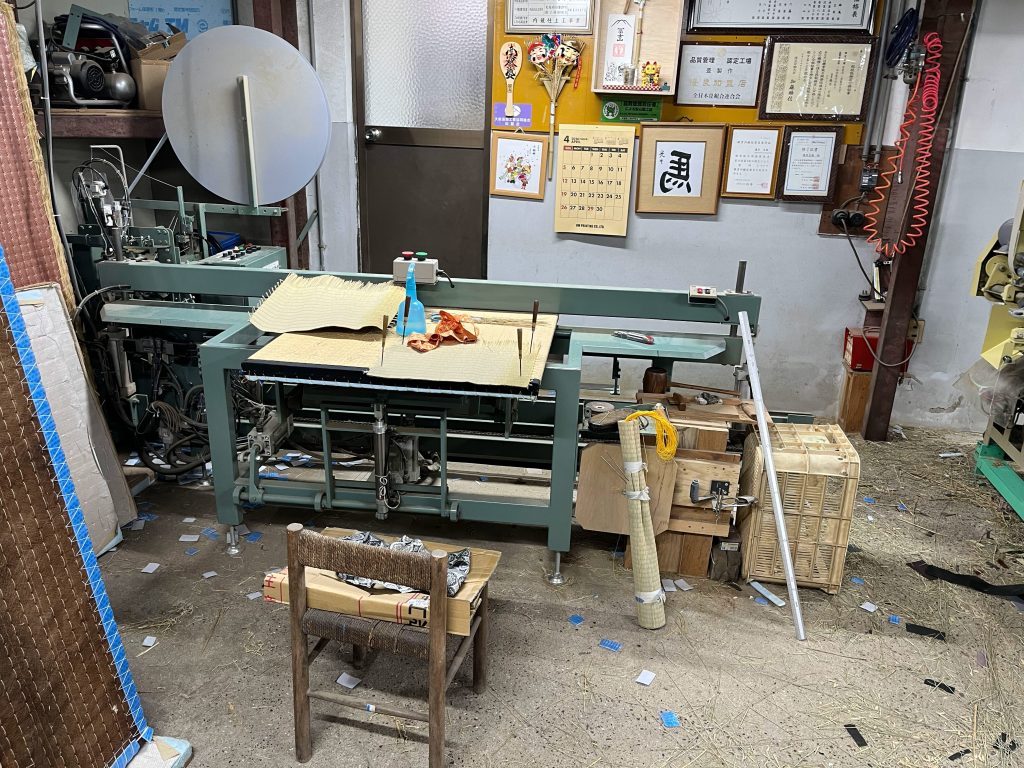
After three intensive days with the film crew, I could finally begin the apprenticeship properly without cameras around. I was given my own setup at a traditional tatami workbench, allowing me to sit on the floor with my legs folded beneath me while sewing. It quickly became apparent that my Western legs could not endure this for long, so it was eventually decided that I would be seated on a chair instead — for now…
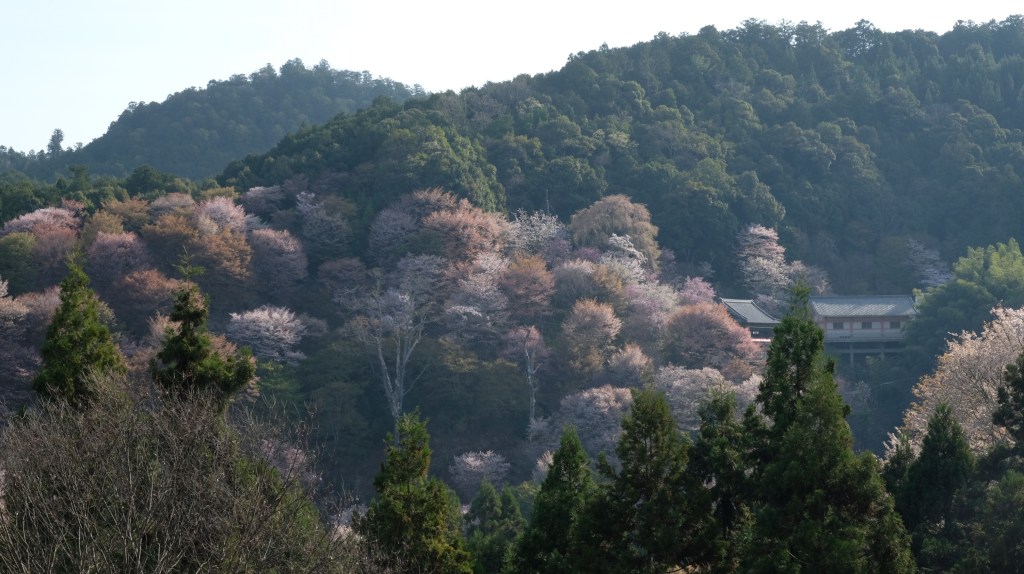
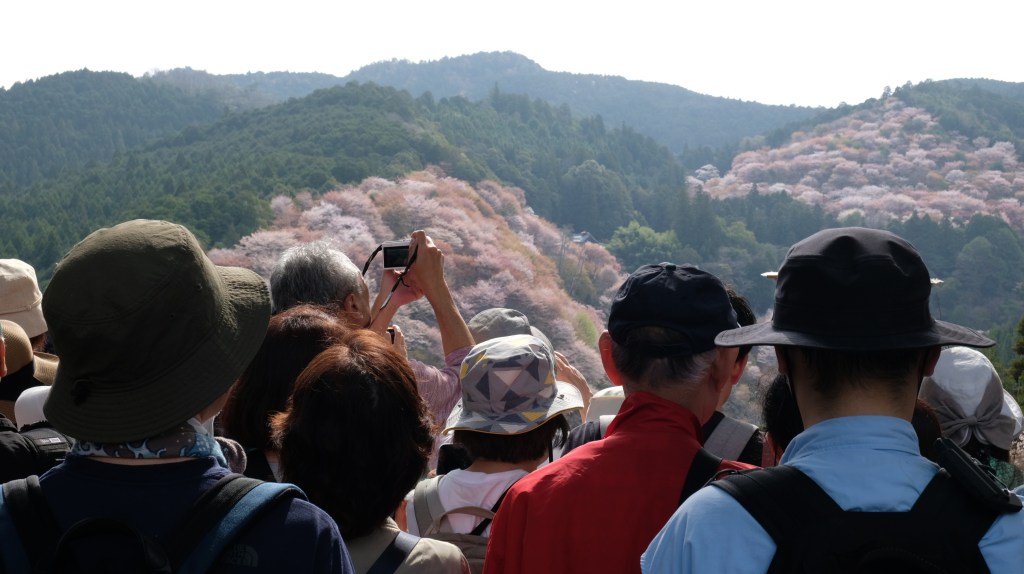
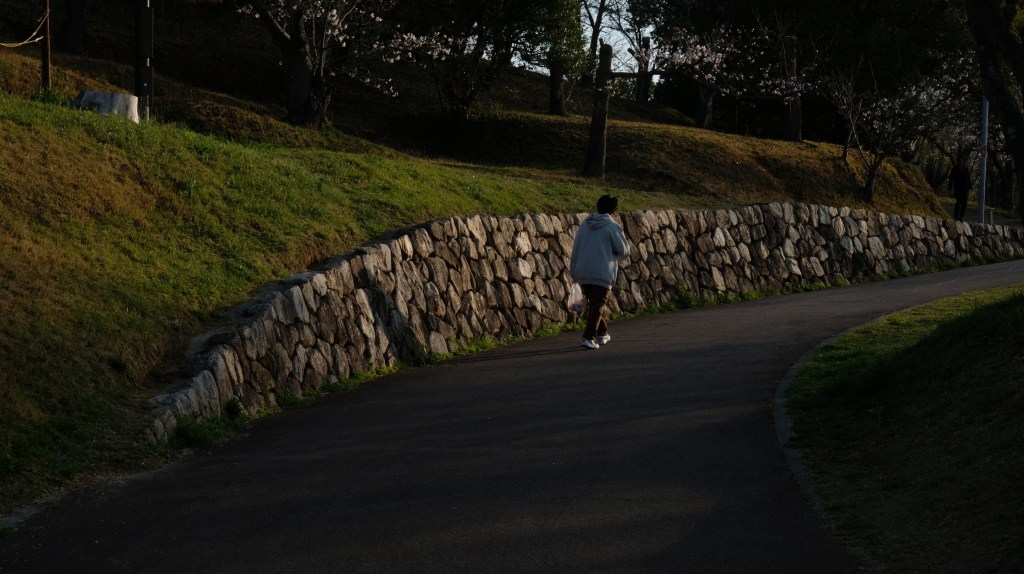
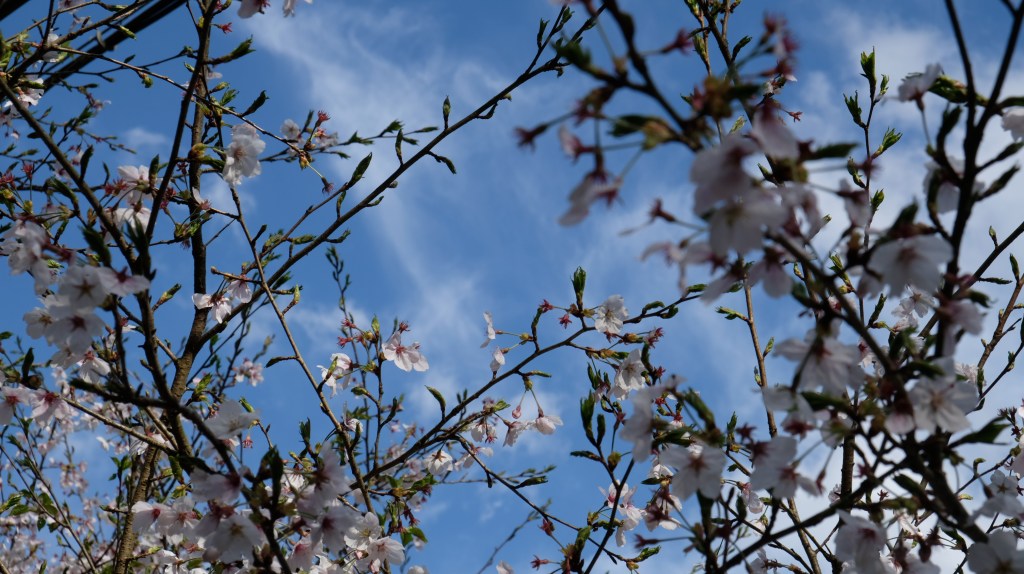
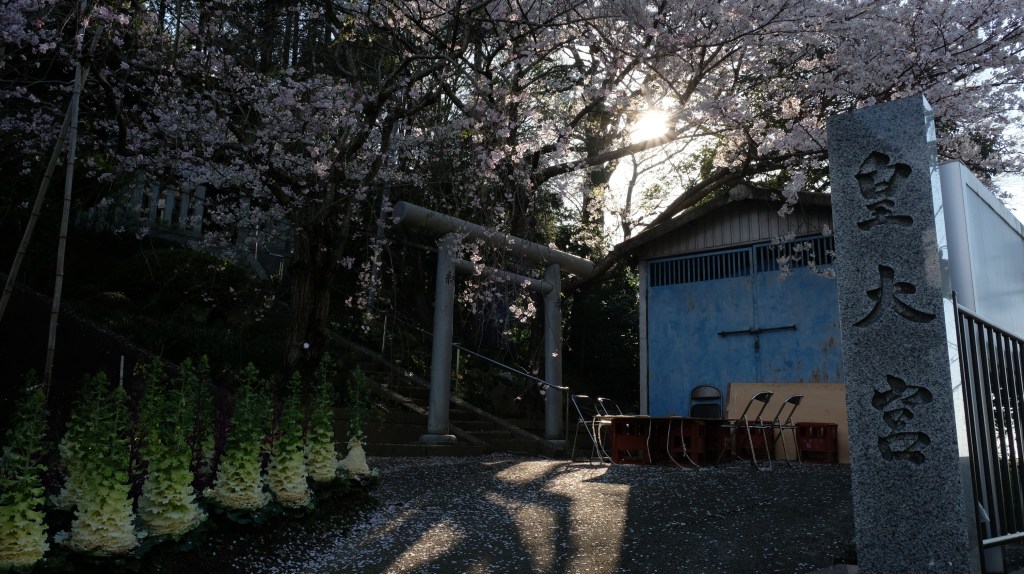
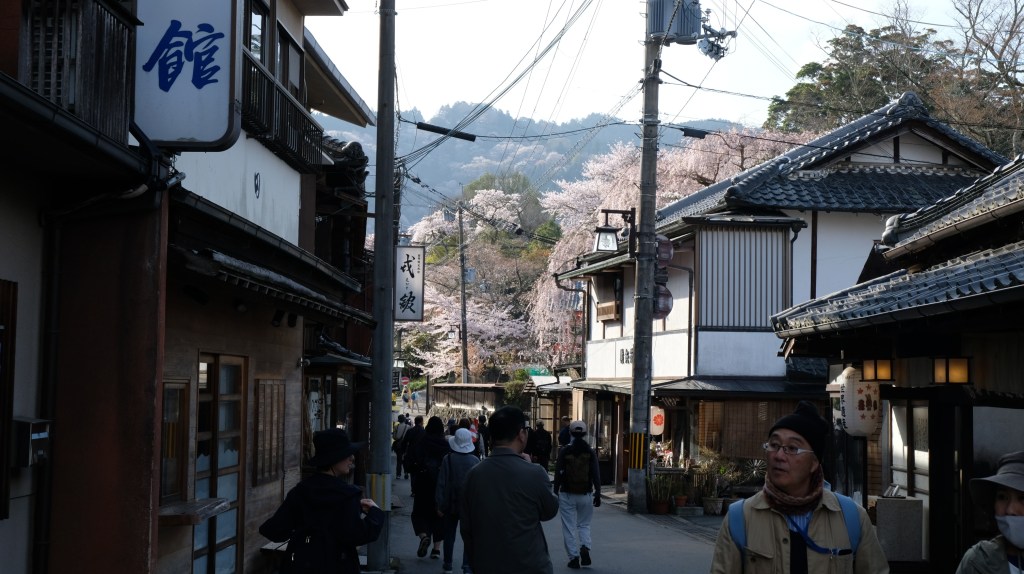
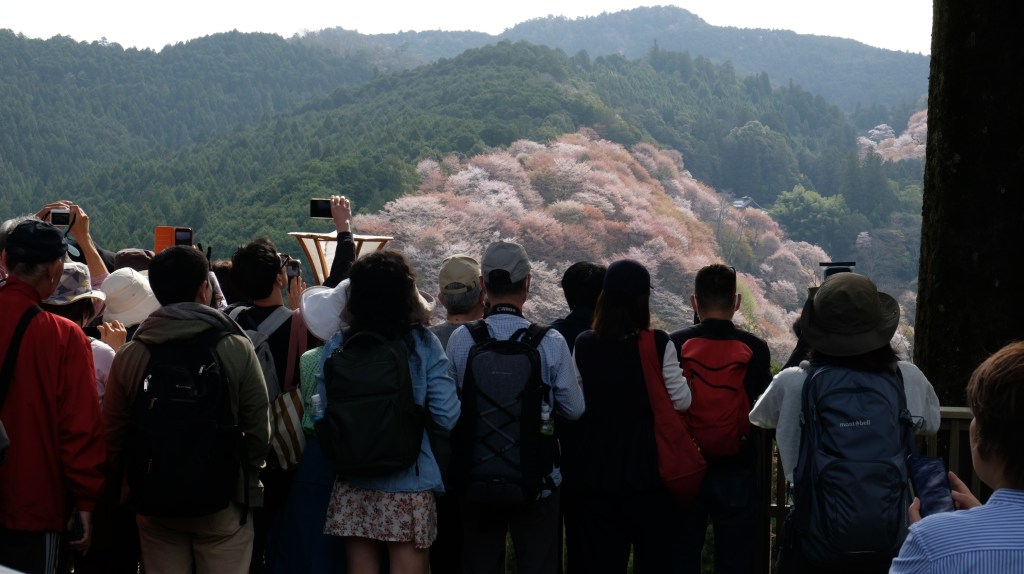
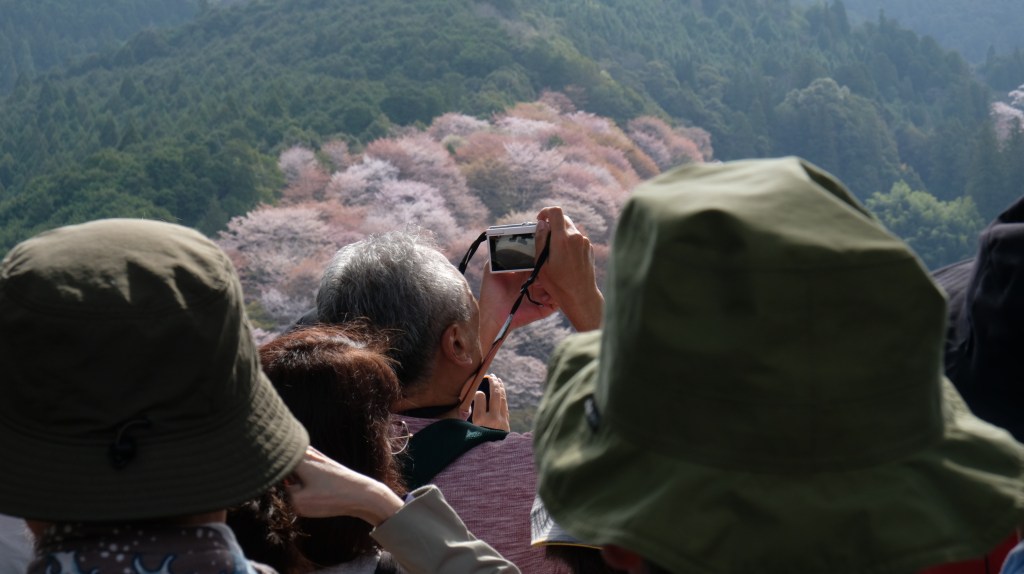
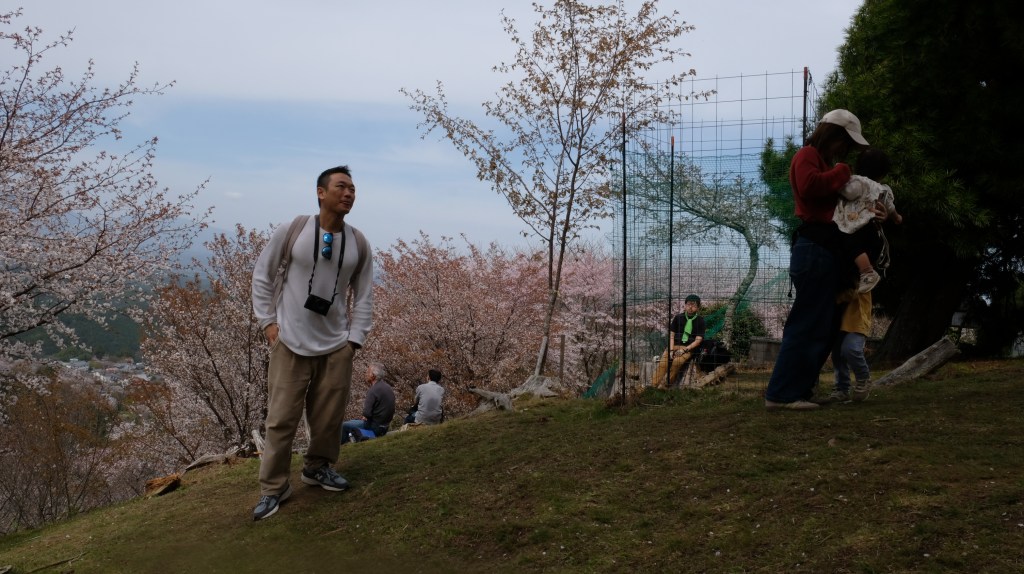
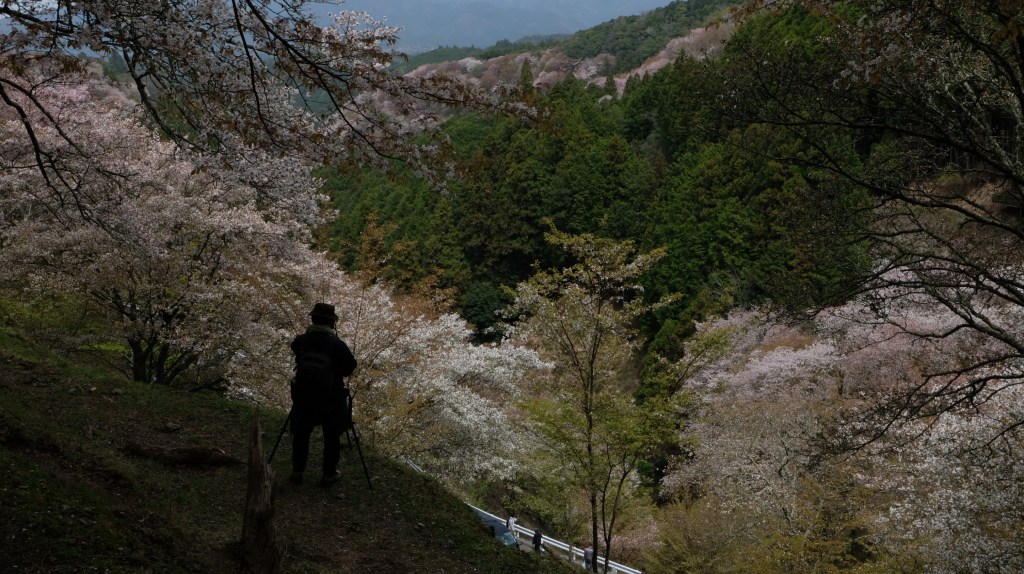
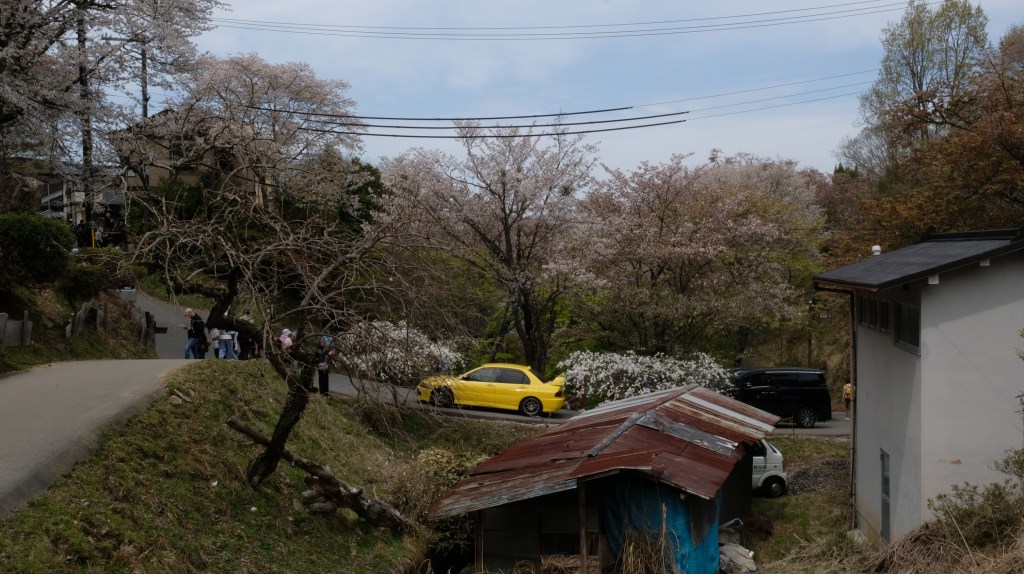
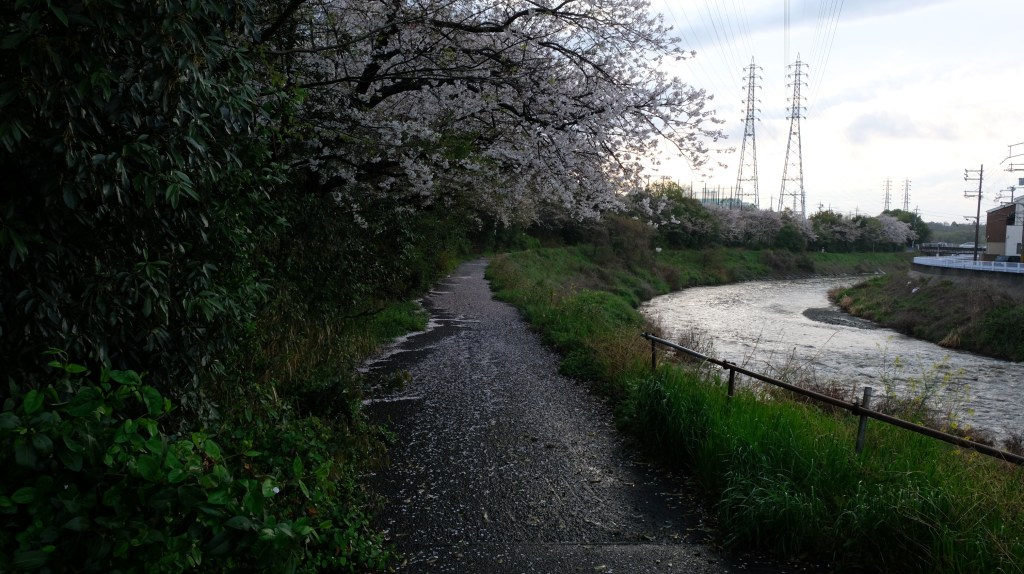
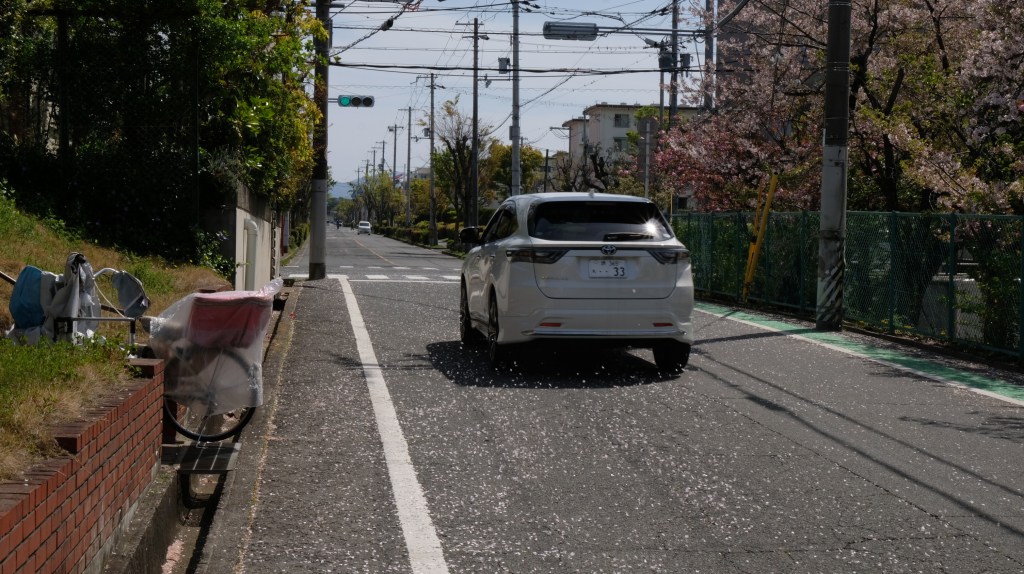
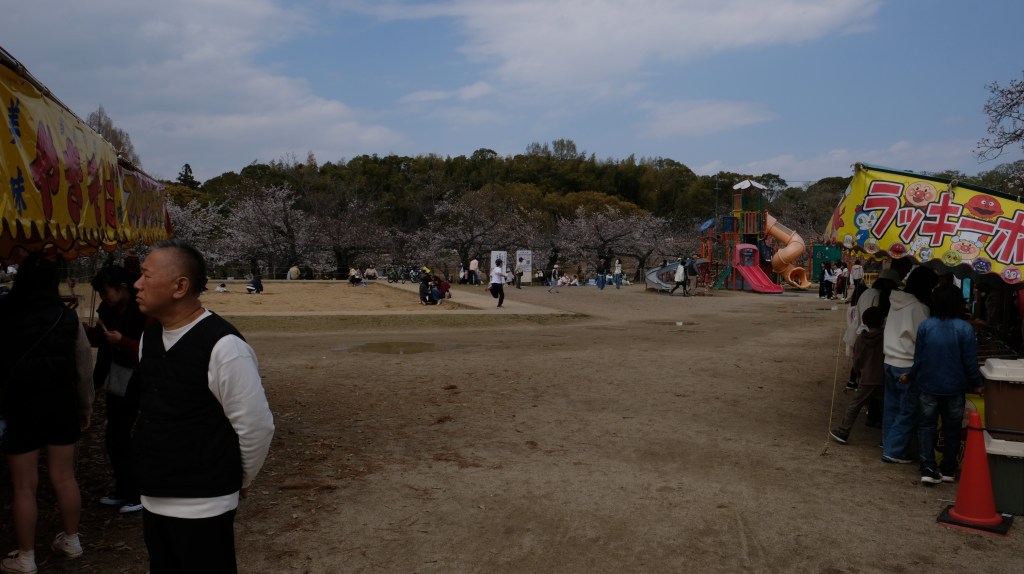
Meanwhile, the cherry blossoms were in full bloom here, a breathtaking sight day after day. Their appearance is visible proof that spring has begun. Many people head to parks to picnic beneath the blossoms and take photographs among the flowers. Together with Issei, Kana, and Cagla — the Turkish traveller helping out at the guesthouse for a month — we drove to Yoshino. This place is famous for its magnificent cherry blossom scenery and becomes immensely popular during blossom season. Despite the huge crowds of tourists, it was magical to experience it there for the first time. Very similar to when I arrived in Tokyo during cherry blossom season two years ago: despite the masses of people, there were countless magical moments, particularly in Shinjuku Gyoen.
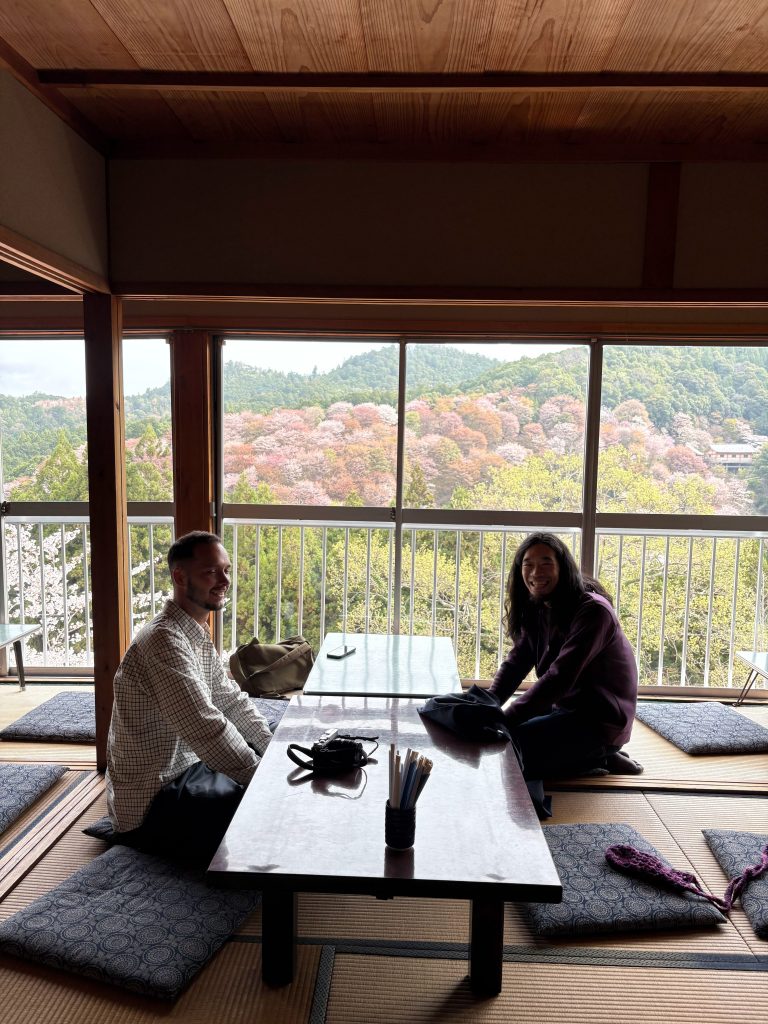
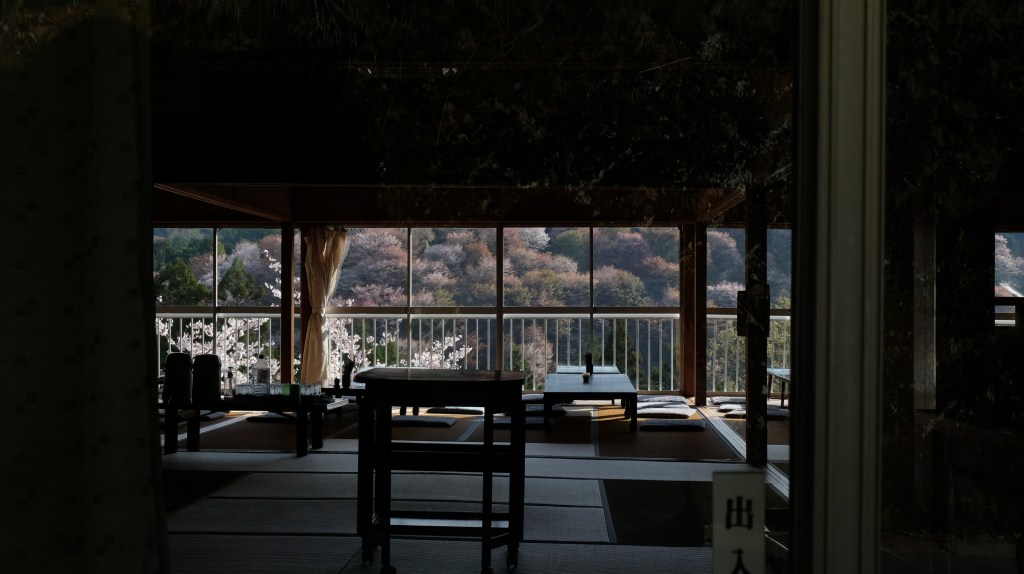
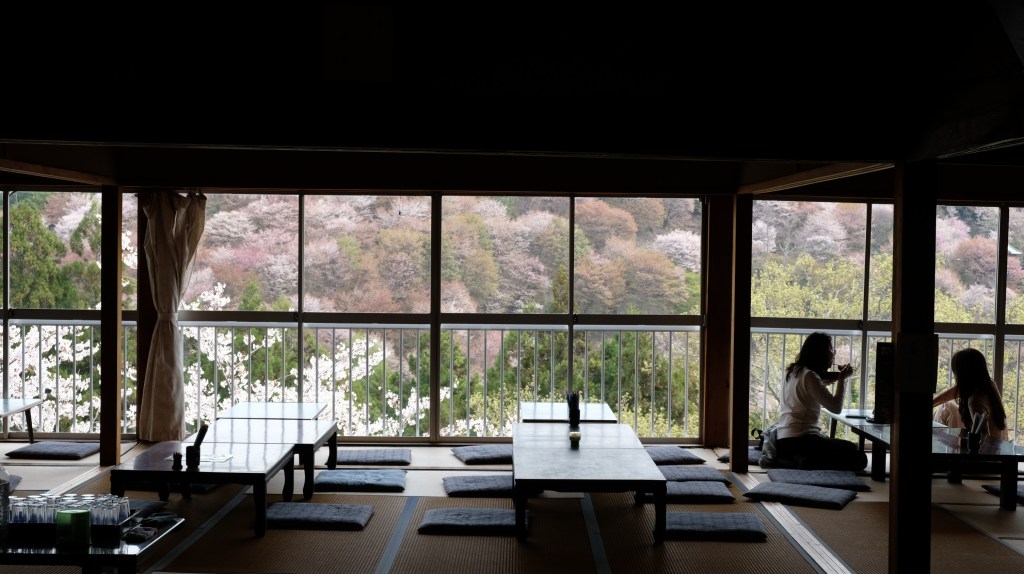
The magic in Yoshino seemed to extend to our group, because the overworked owner of a beautifully situated teahouse allowed us in as some of the very few guests of the day. Sitting in a large tatami room with bowls of matcha, we were able to admire not only the stunning view over the cherry blossom valley, but also the curious tourists outside, who were told in unusually blunt Japanese fashion by the elderly lady that the teahouse was closed and they could not enter — despite the fact that guests like us were very obviously sitting inside enjoying refreshments.
Back in Izumi, the guesthouse was an oasis of calm. Hardly any tourists came by during those days, perhaps only the occasional one. We made the typical Osaka snack takoyaki, which is somewhat comparable to Dutch poffertjes in the way they are prepared. However, these are savoury batter balls, normally filled with octopus (tako), though we experimented with alternative fillings that tasted excellent.
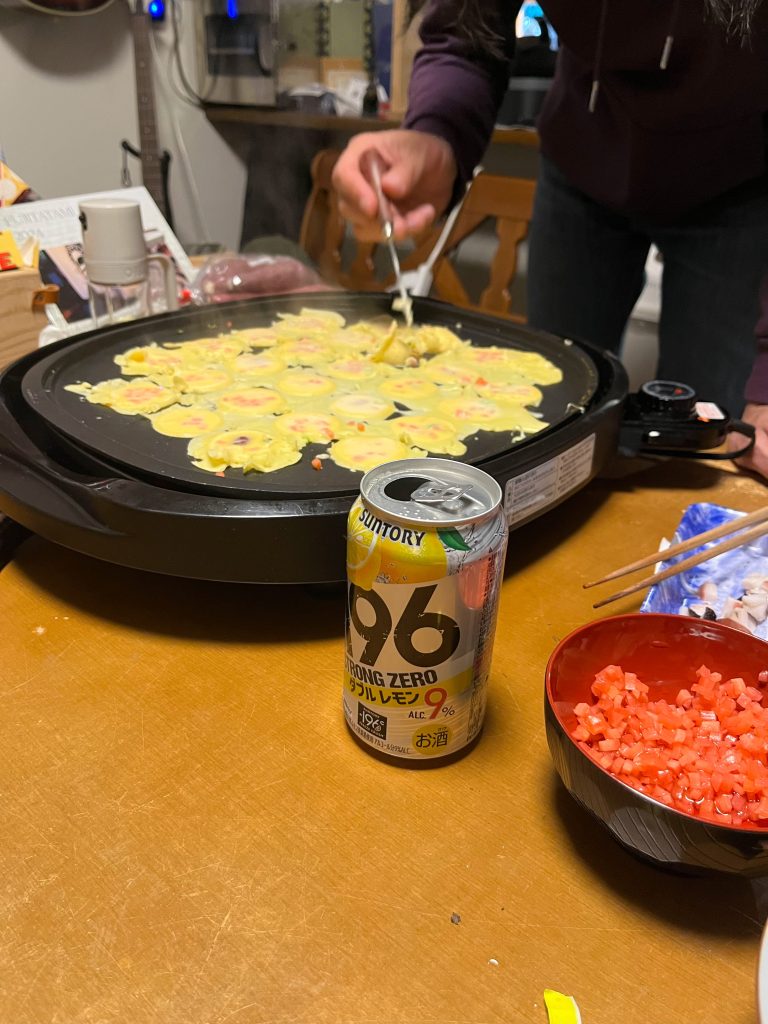
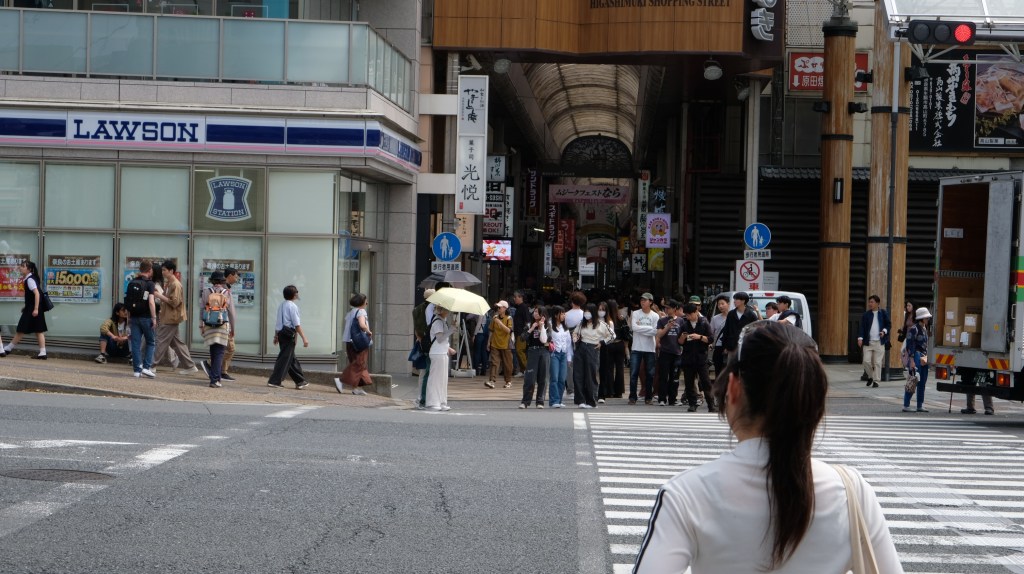
Later that week, Gwen and Bas came by one final afternoon after travelling around Japan. In the late afternoon I joined them in Osaka-shi, or rather Namba. The weather that day was absolutely dreadful in the old-fashioned sense of the word. We made determined attempts to locate a particular bar for drinks and snacks. Bas’s socks ended up completely soaked from the torrential rain, partly because I had somewhat unconsciously appropriated his umbrella. By pure coincidence, after perhaps an hour of wandering around Dōtonbori, we stumbled upon a wonderfully cosy jazz café. A genuine smoky jazz bar, complete with ashtrays sitting openly on the counter and jazz records playing on vinyl. I immediately had to Shazam the first track that came on: Walk On By by Cal Tjader.
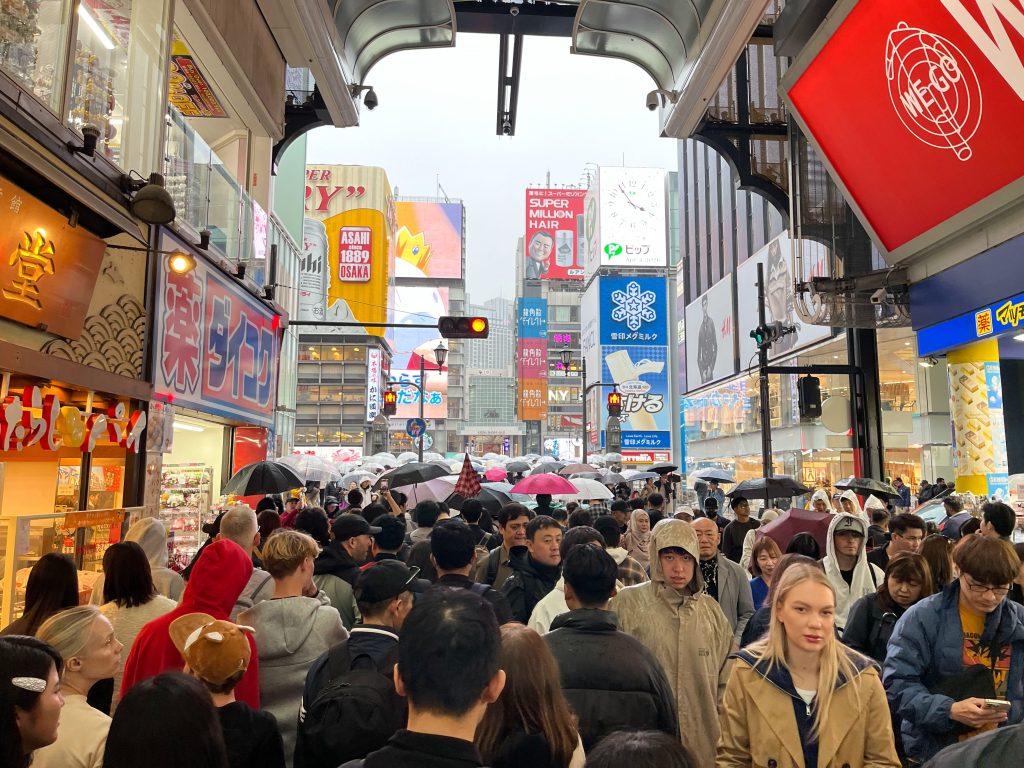
After several snacks and quite a few drinks, I had to say goodbye to Gwen and Bas, who would be flying back to the Netherlands the next day. In Osaka’s underground passageways we embraced, after which I headed “home” alone again, back to Izumi. Strange to think that I probably won’t see them again for quite some time.
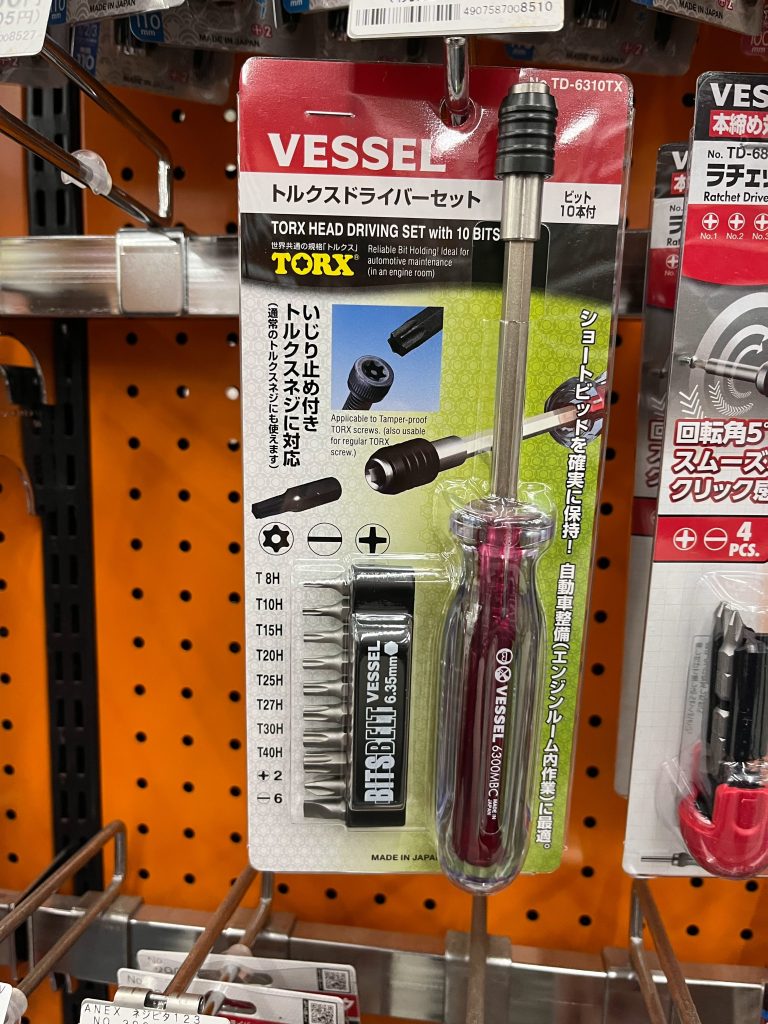
Alongside the tatami apprenticeship, I have also been working remotely for my employer in the Netherlands, writing content for a webshop. Tim, my colleague there, had previously asked me to look into so-called JIS screwdrivers for his screwdriver collection. As someone rather hopeless with practical DIY matters, I had never heard of them before, but they are specially designed Japanese screwdrivers that are important for working on vintage vehicles. Apparently, they are difficult (or expensive) to obtain properly in the Netherlands, but after a brief search with Hiromasa in the enormous VivaHome DIY centre, the selection in Japan turned out to be enormous — and very affordable as well.
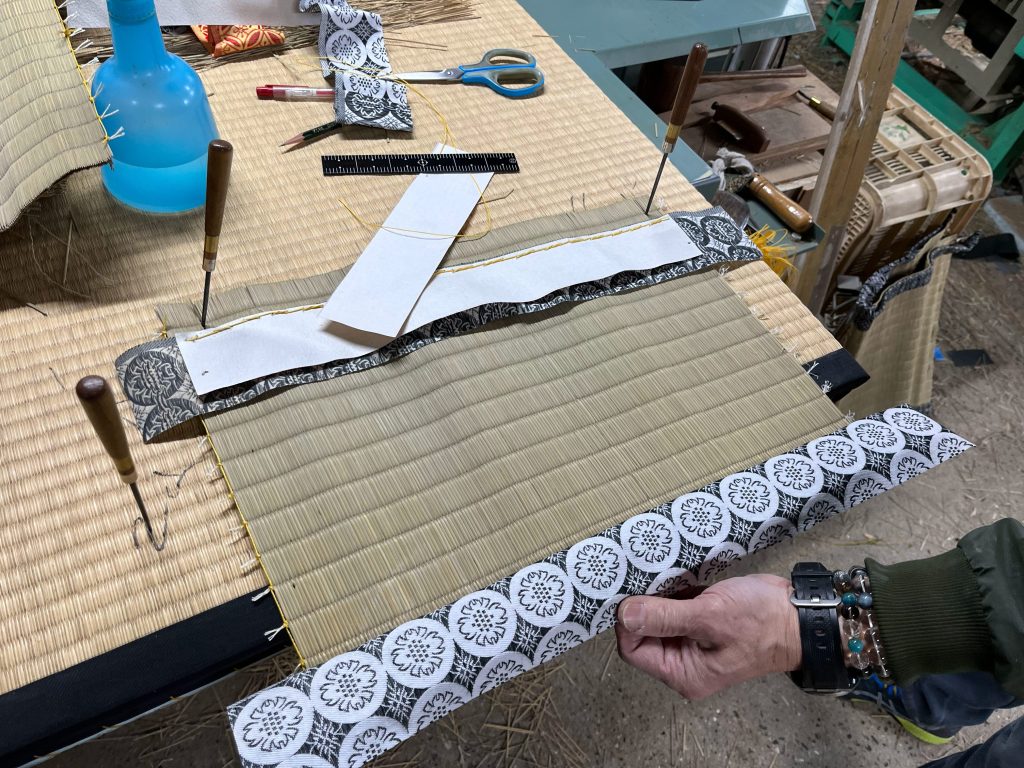
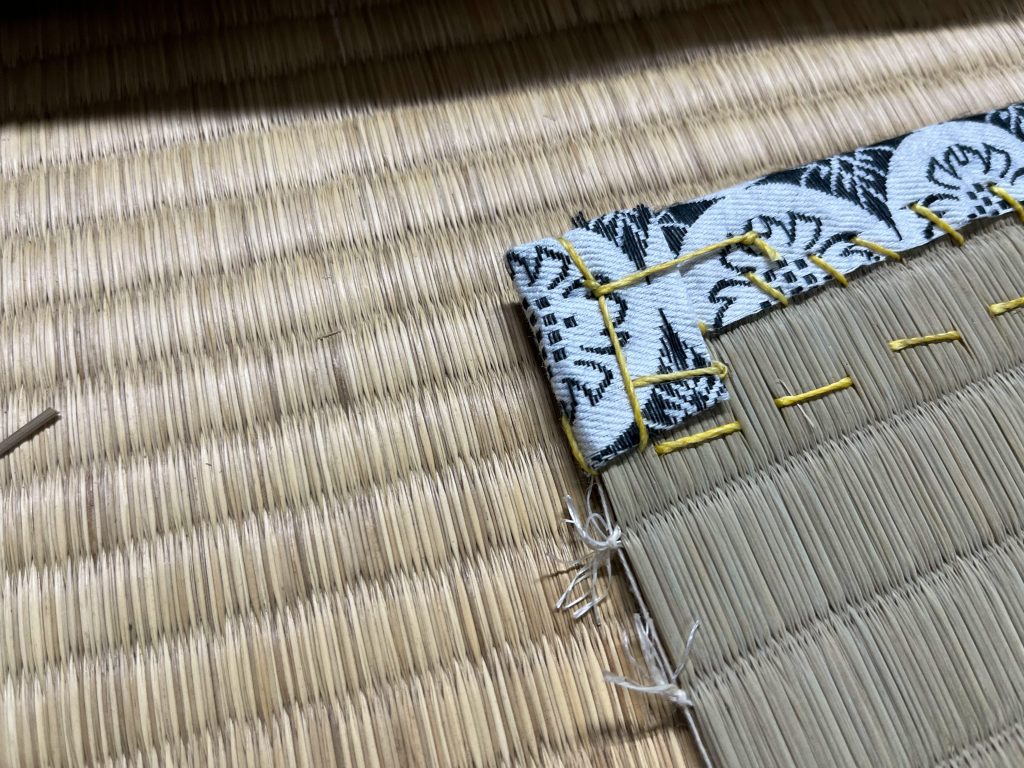
Back in the tatami workshop, I also began making tokonoma mats, mainly to support the learning process of sewing the corners of a tatami mat. A tokonoma (床の間) is a thinner, smaller mat consisting only of the upper layer of a tatami mat and the edging fabric. It functions as a sort of spiritual ornament. The sewing method is almost identical to that of a full tatami mat, though much less physically demanding, because the smaller needle only has to pass through a thin igusa surface layer. After practising for some time, I finally began to understand the logic behind sewing the corners of a real tatami mat. It took me weeks to grasp this technique properly.
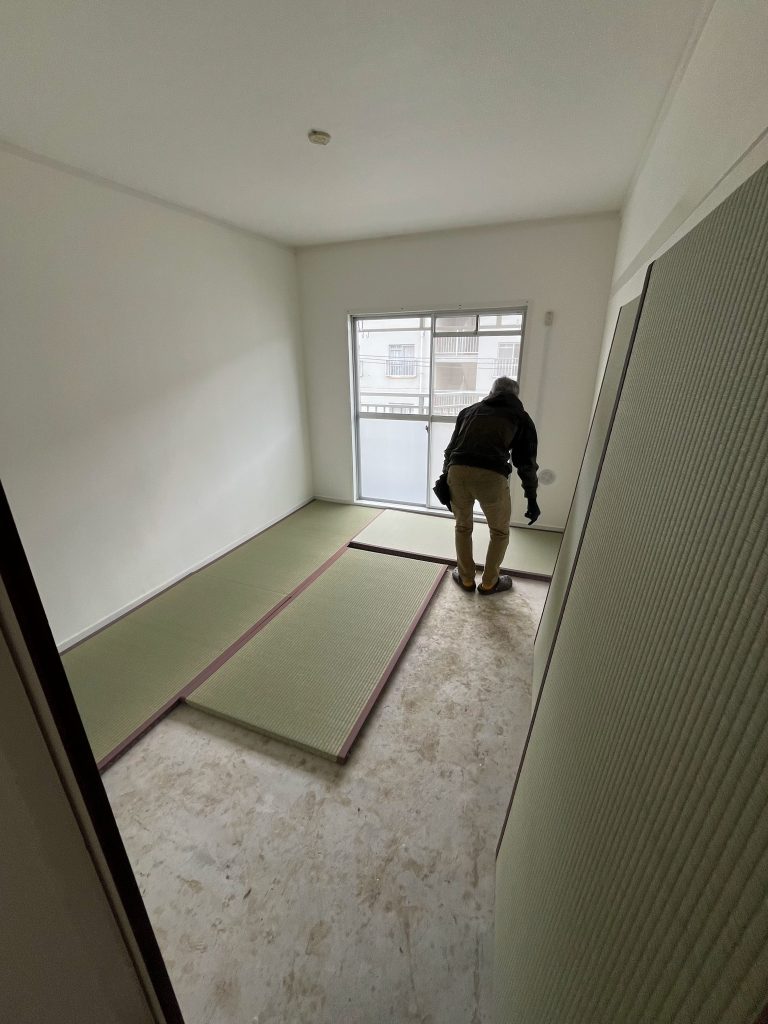
I also helped Hiromasa deliver new tatami mats to social housing flats. Initially, I found it quite positive that such homes at least include one tatami room, though that is about where the positivity ends. The flats are old and have concrete floors. The tatami mats are laid directly on top of these, much to the visible disappointment of the craftsman himself, Hiromasa. “There is no ventilation now, and no sunlight coming in. Mold will come very fast…” I asked whether the owners were aware of this. Yes, they were — but the owners rent the flats out, they do not have to live there themselves.
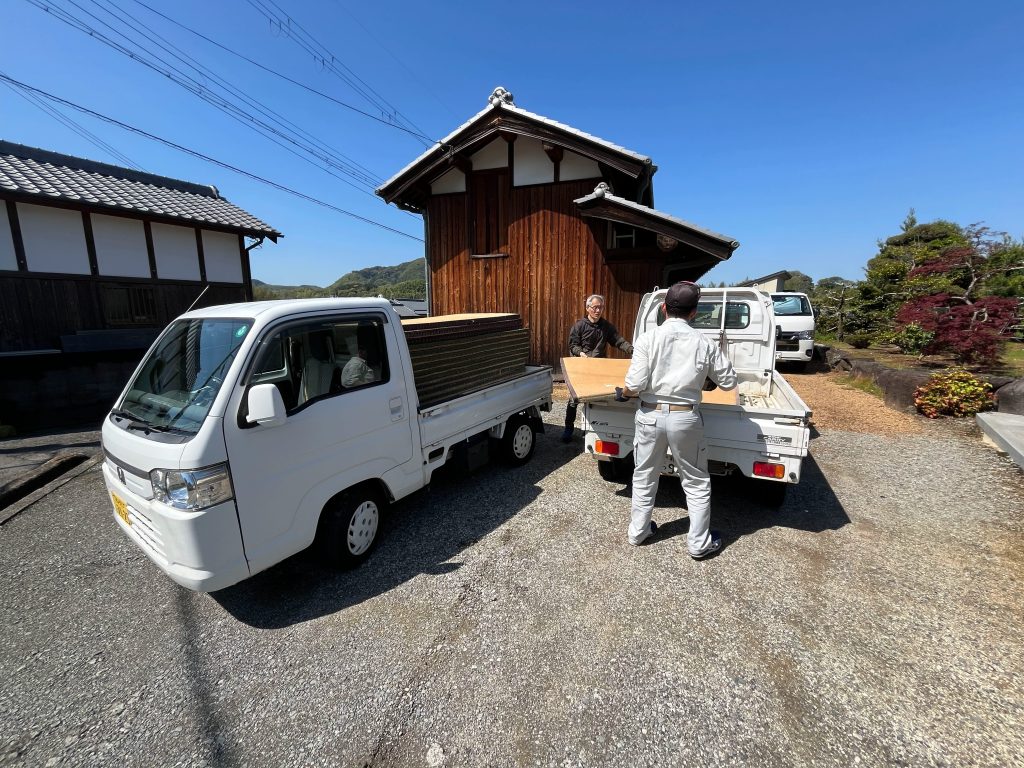
In some places where Hiromasa delivers new tatami mats, there are extremely old mats that have lasted forty or even fifty years (though not in the aforementioned flats). These are usually mats made almost entirely from natural materials. Hiromasa collects them so that they can be reused as fertiliser. One day I accompanied him to visit Kondo-san, a friendly orange farmer living in the beautiful rural surroundings of Kishiwada, not far from Izumi. His oranges are, I’m told, entirely organic and taste superb. In exchange for old tatami mats, Hiromasa receives a crate of oranges at a friendly discount price.
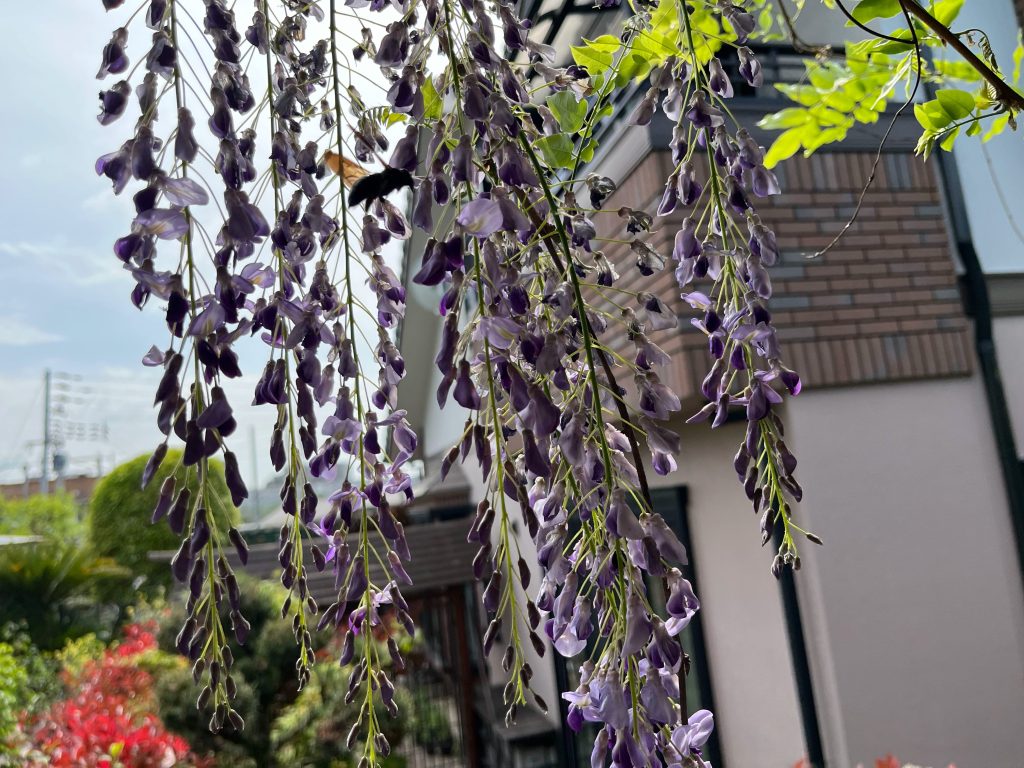
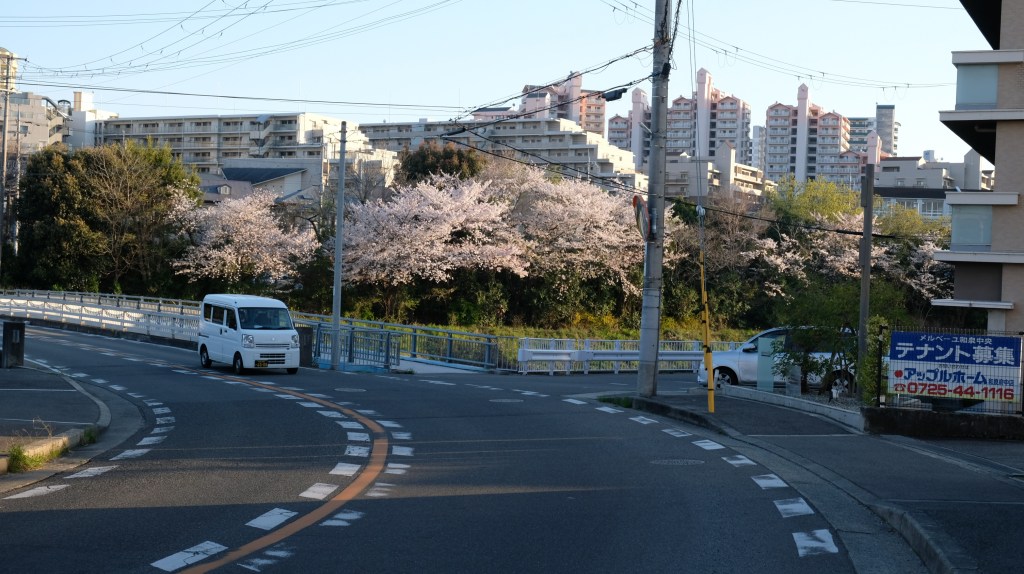
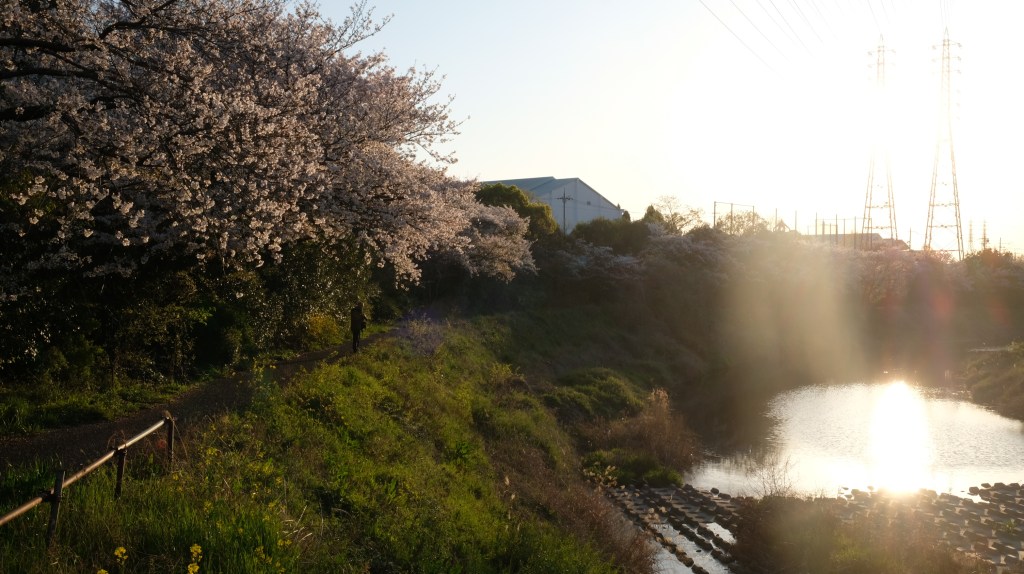
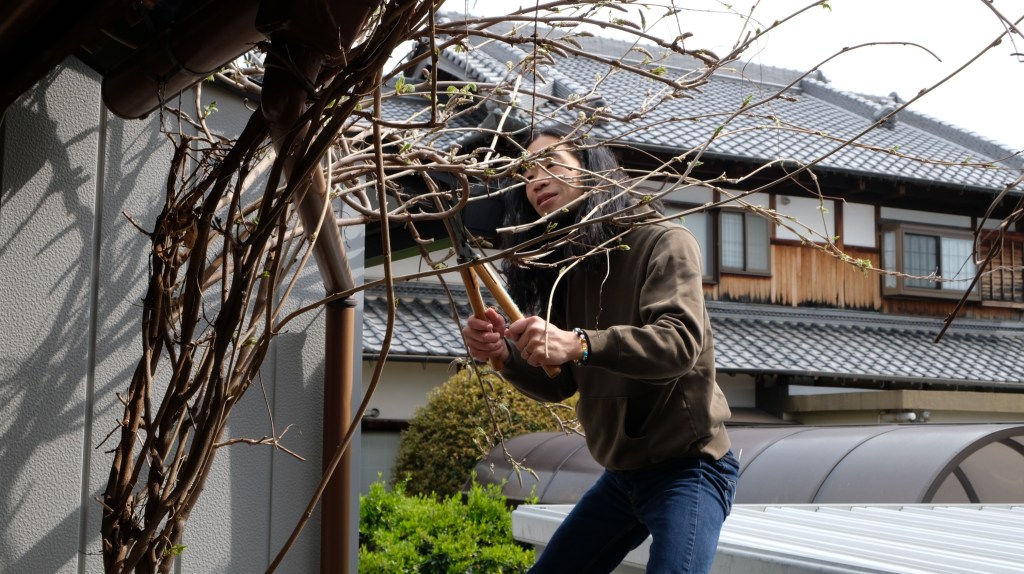
April steadily progressed. After a period of heavy rain and strong winds, the cherry blossom season ended relatively early. However, much fine weather was also on its way, and soon the wisteria — or fuji 藤, as it is known in Japan — began blooming rapidly. Four years ago, Kana had provided the seeds for the wisteria in celebration of the guesthouse’s fifth anniversary, and this year it is blooming properly for the first time. It is the flower after which the guesthouse where I am staying is partly named: Fujitatami. The other half speaks for itself.
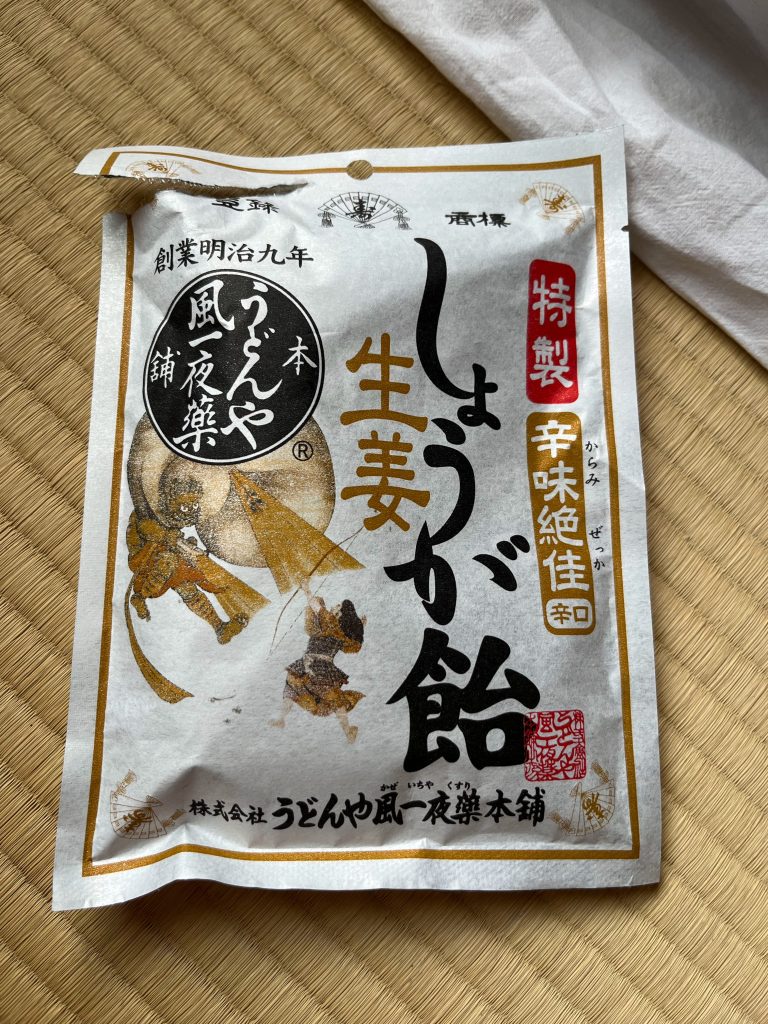
After several pleasant days, another stretch of rain, cold, and wind arrived. It is striking how dramatically the weather — and especially the temperature — can change from one day to the next. The nights became deceptively cold again, resulting in a mild cold. Fortunately, I had brought plenty of herbal teas and remedies from home for precisely this reason. Japan also has no shortage of things to support one’s health and spirits, such as sweet yet spicy ginger sweets.
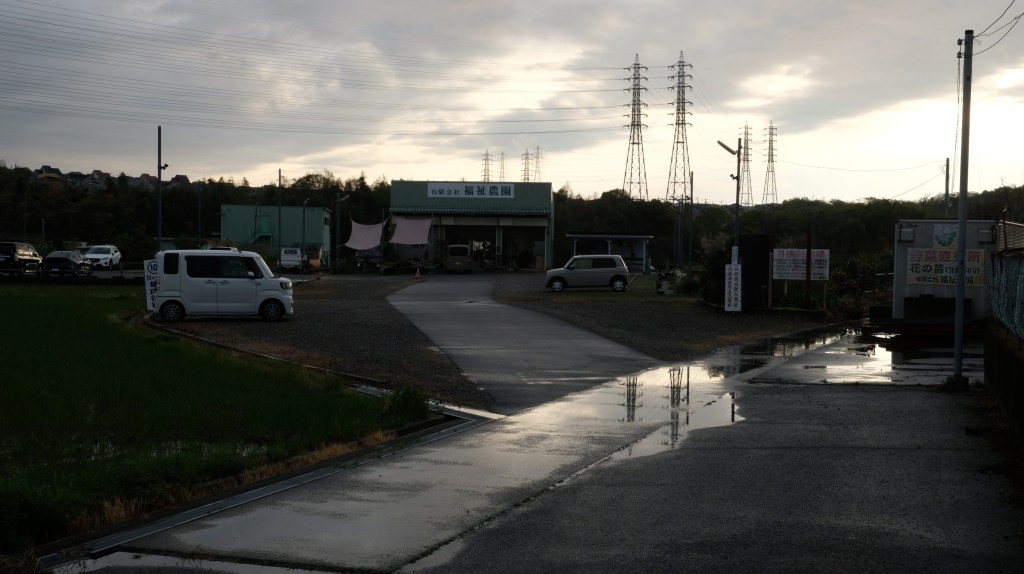
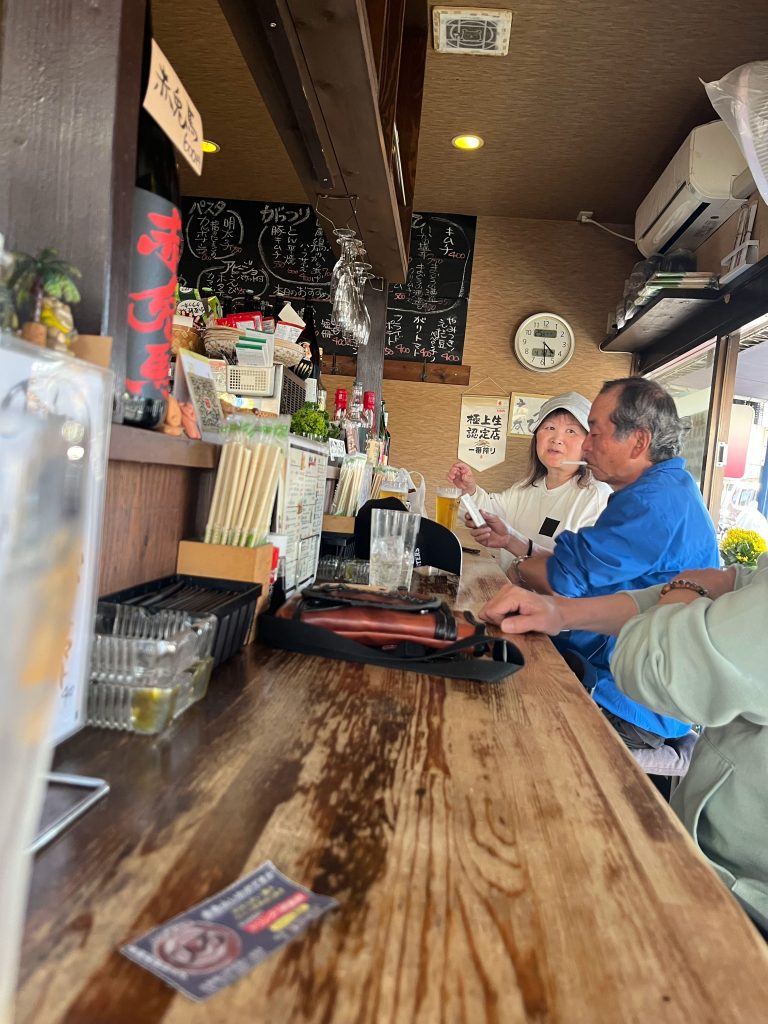
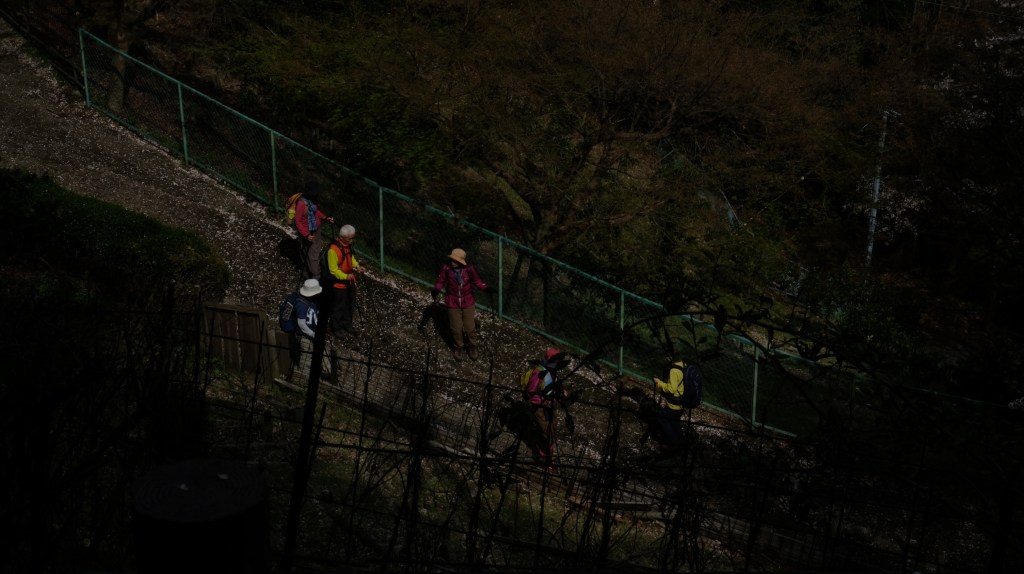
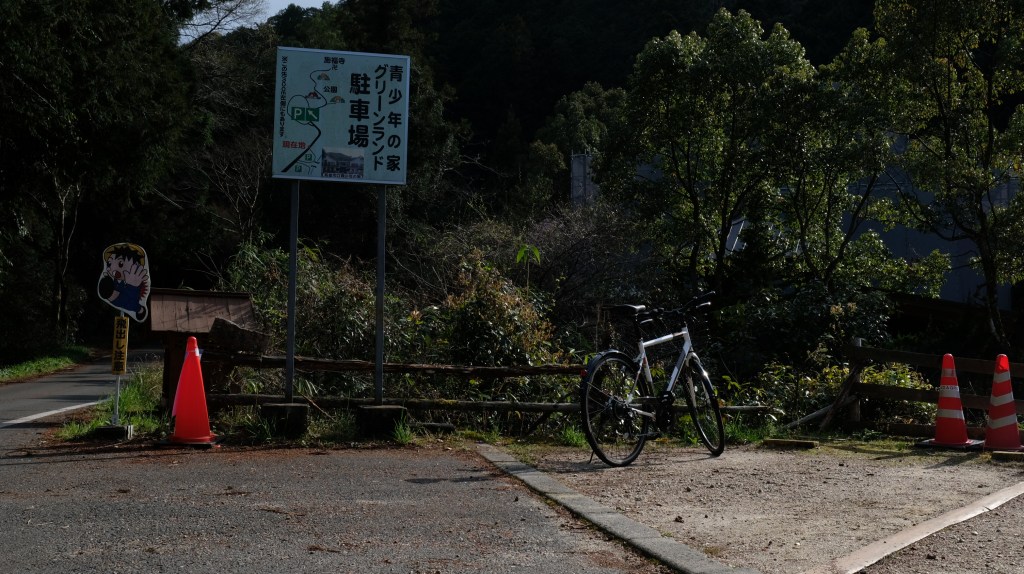
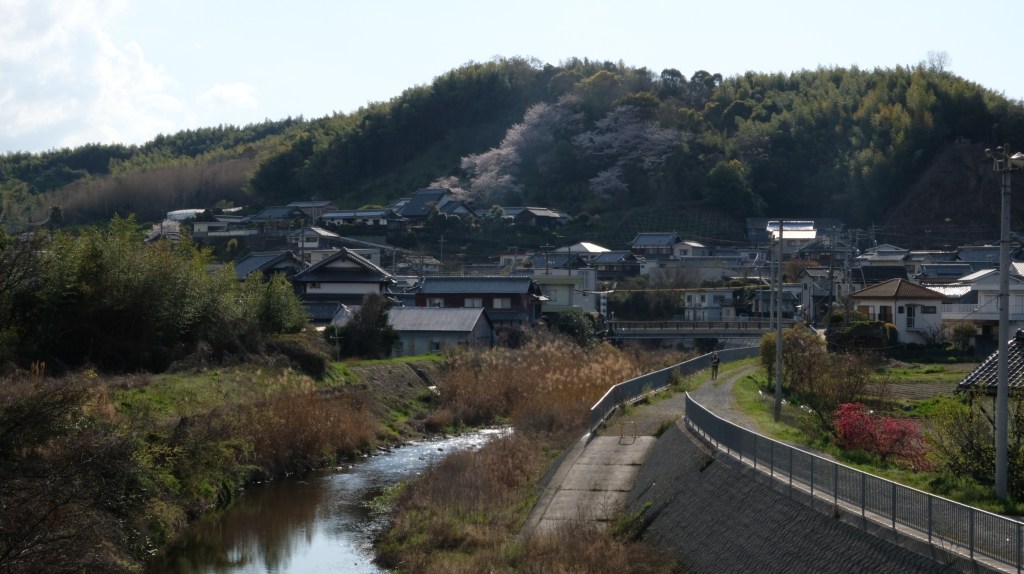
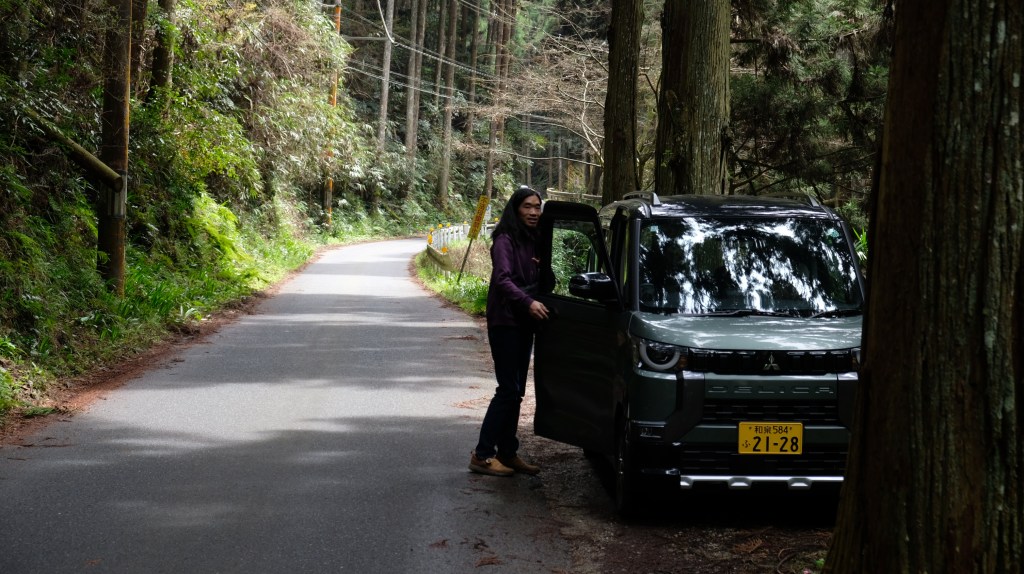
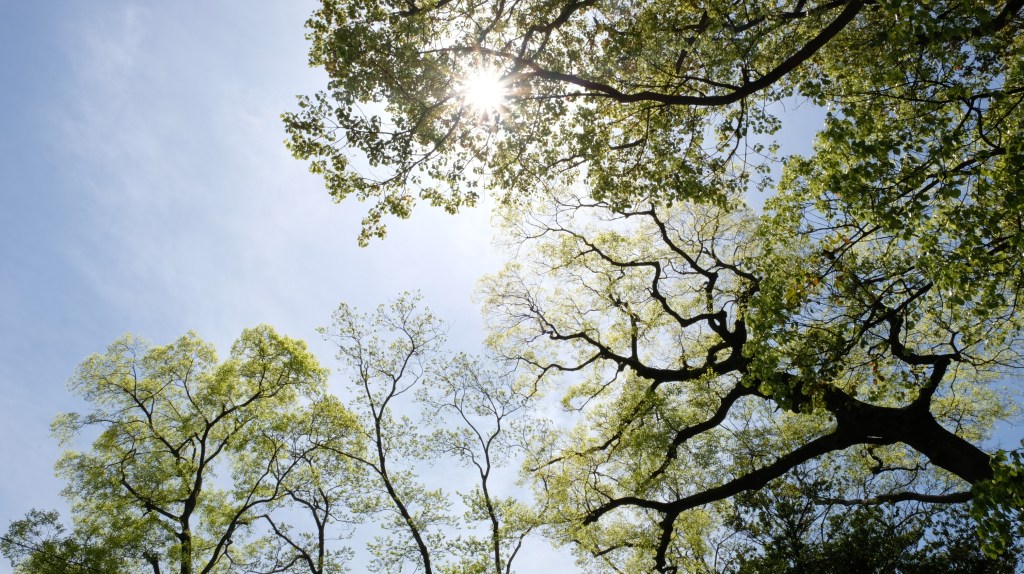
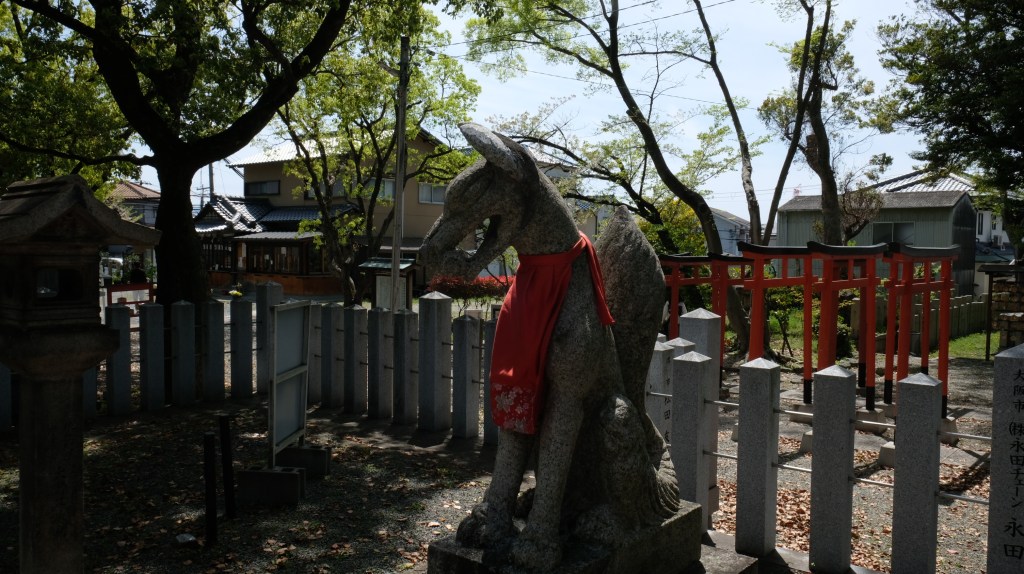
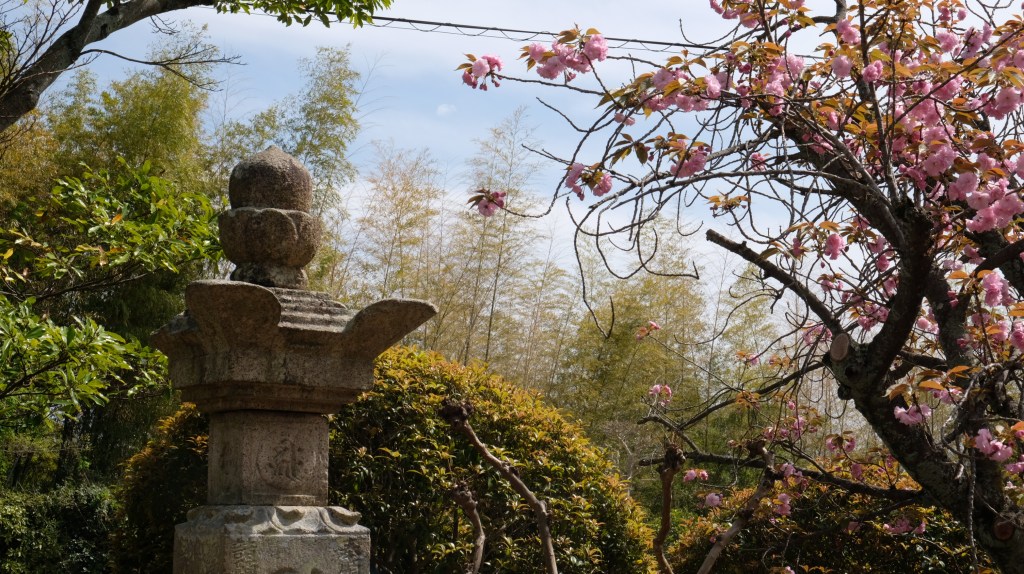
At weekends, I try to enjoy the good weather as much as possible — when it appears — by going out cycling. I now have time to explore places I had never previously visited. For instance, I visited a relatively unknown shrine called Shinodanomori Kuzunoha Inari, where one of the oldest and largest trees in the region is venerated. I also cycled to the town of Kongo, which at first proved disappointing, until I decided to transform that disappointment by entering a random local izakaya for a cold drink. There I had pleasant, if somewhat superficially simple, conversations with apparent regulars enthusiastically enjoying alcohol and cigarettes. They seemed delighted to have a foreign “tatami no gakusei” (tatami student) sitting at the bar beside them. Or perhaps they were simply pleased that someone new had entered their little establishment and was making an effort to speak terrible Japanese.
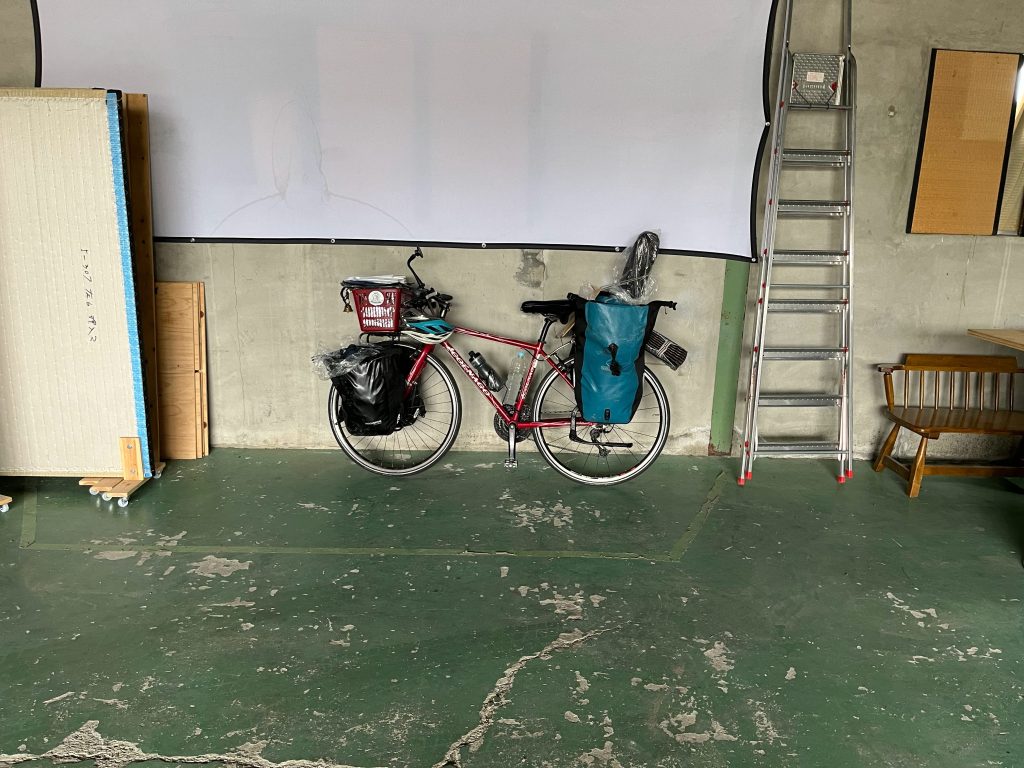
Speaking of cycling, my desire to undertake another multi-day cycling trip later this year was further reignited by a Japanese guest who arrived at Fujitatami by bicycle. This young woman is a seasoned bikepacker who has already cycled around Japan for months at a time on several occasions. Her experience is immediately obvious from her bicycle setup. She would leave her bicycle at the guesthouse for over a week while walking the Kumano Kodō — a multi-day spiritual pilgrimage route comparable to El Camino de Santiago. Something that is also still on my own list of plans.
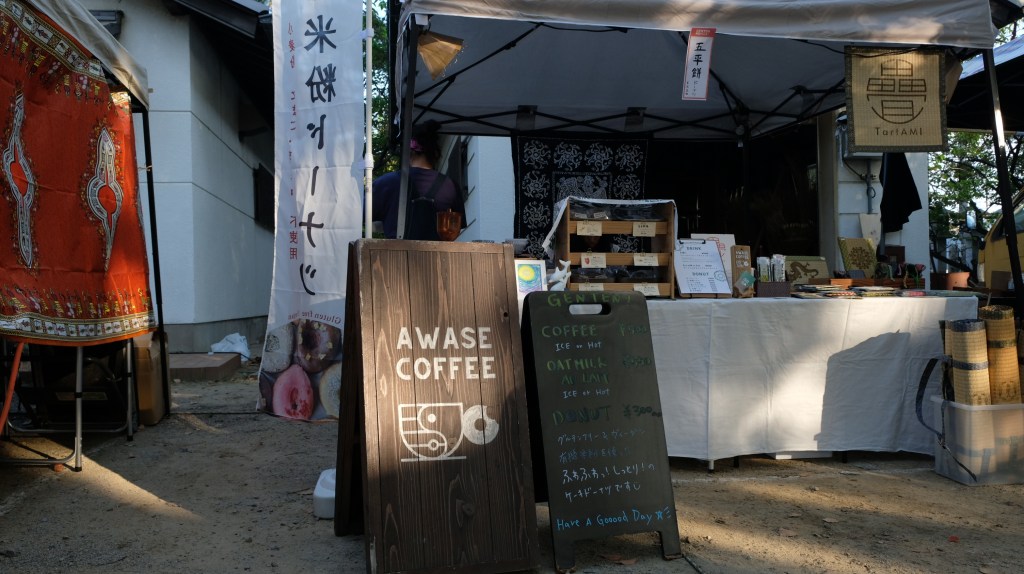
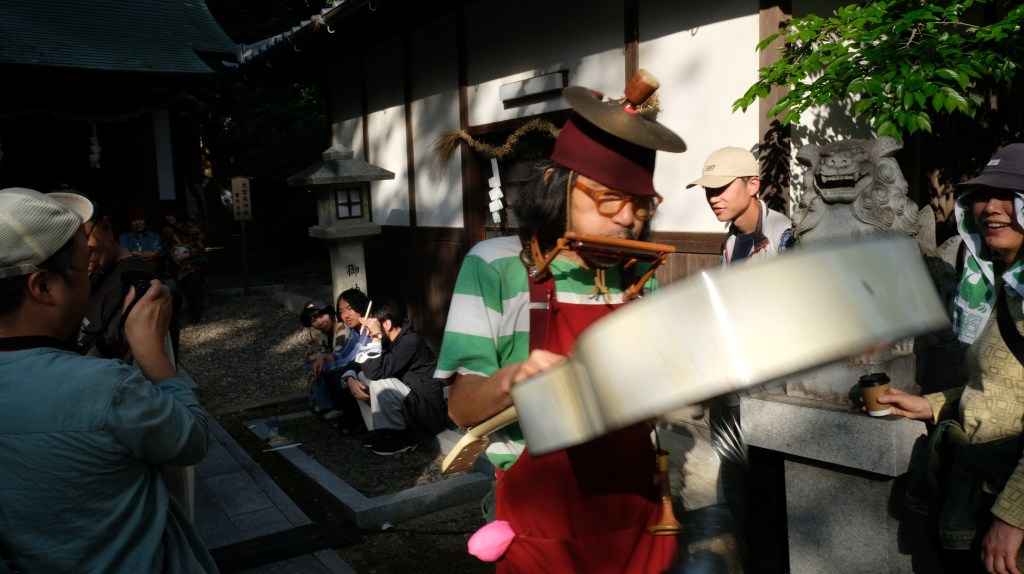
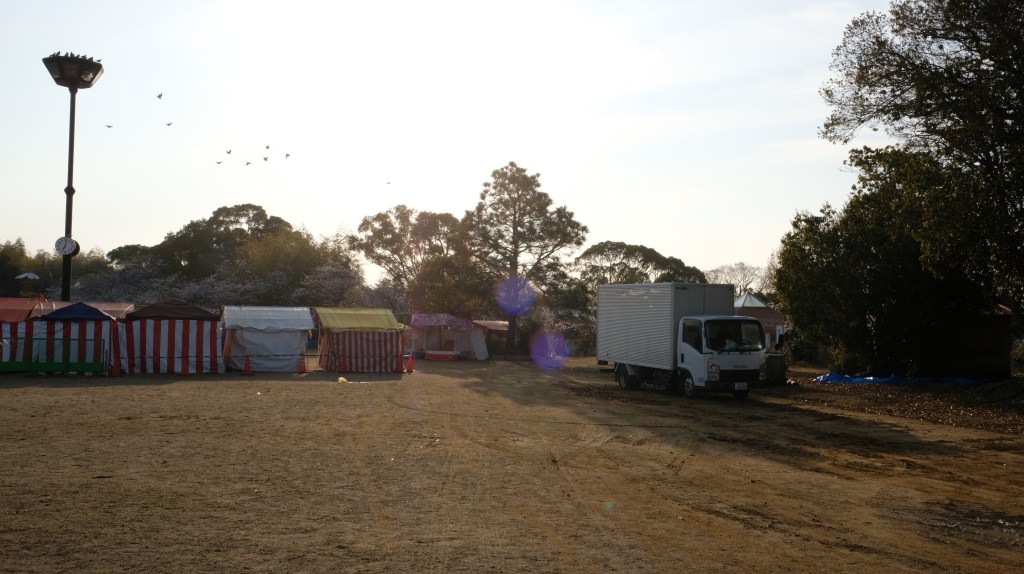
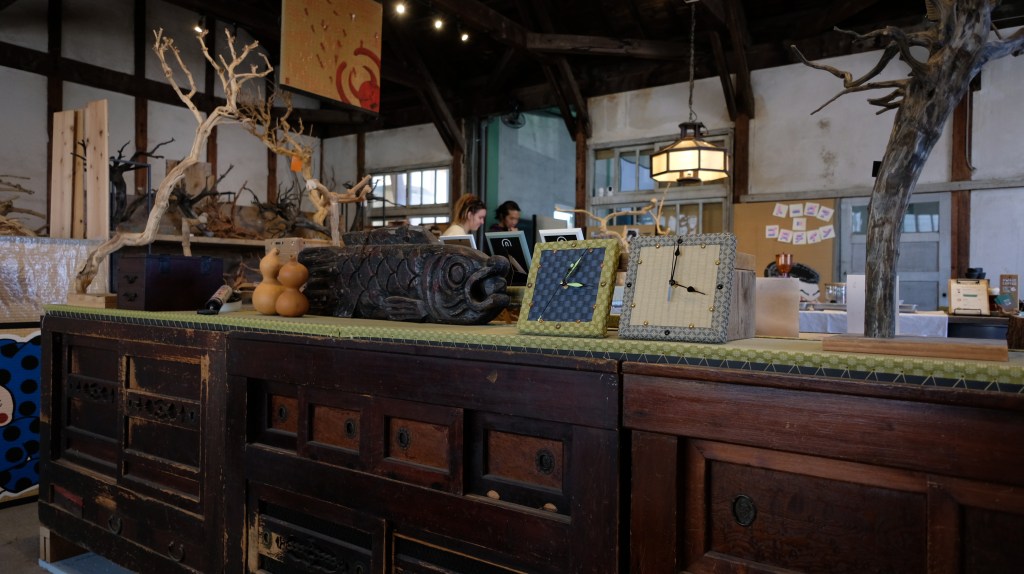
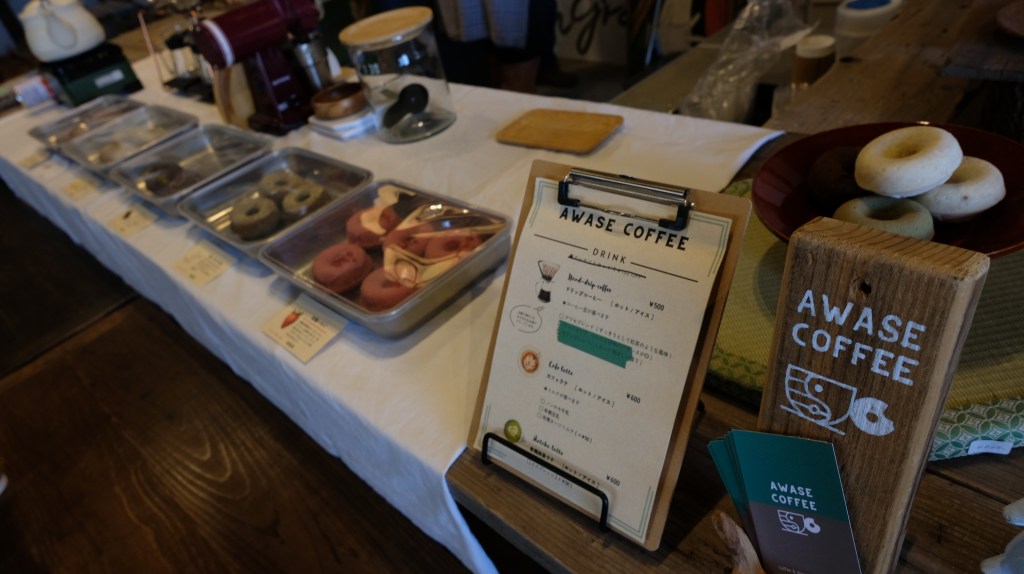
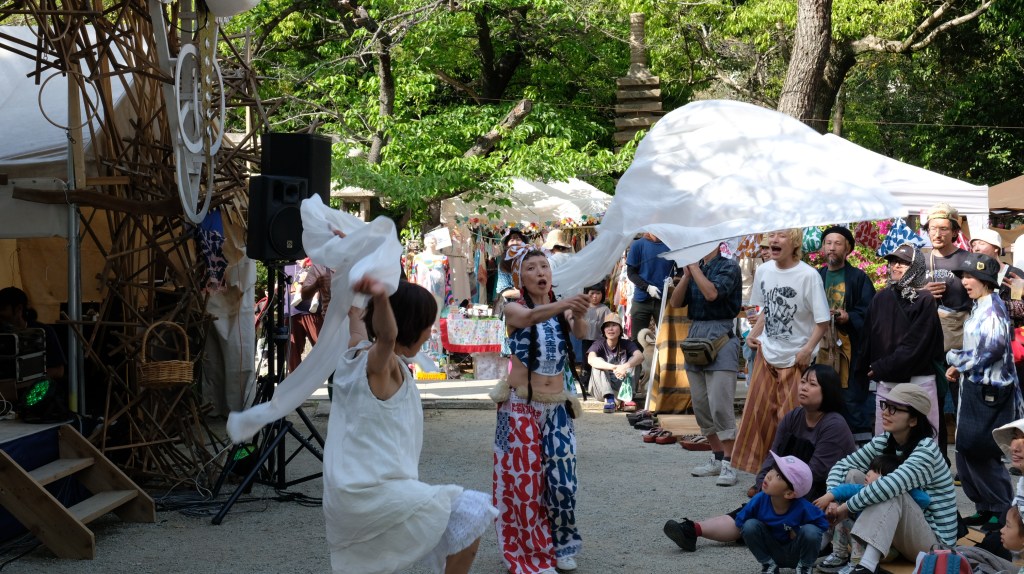
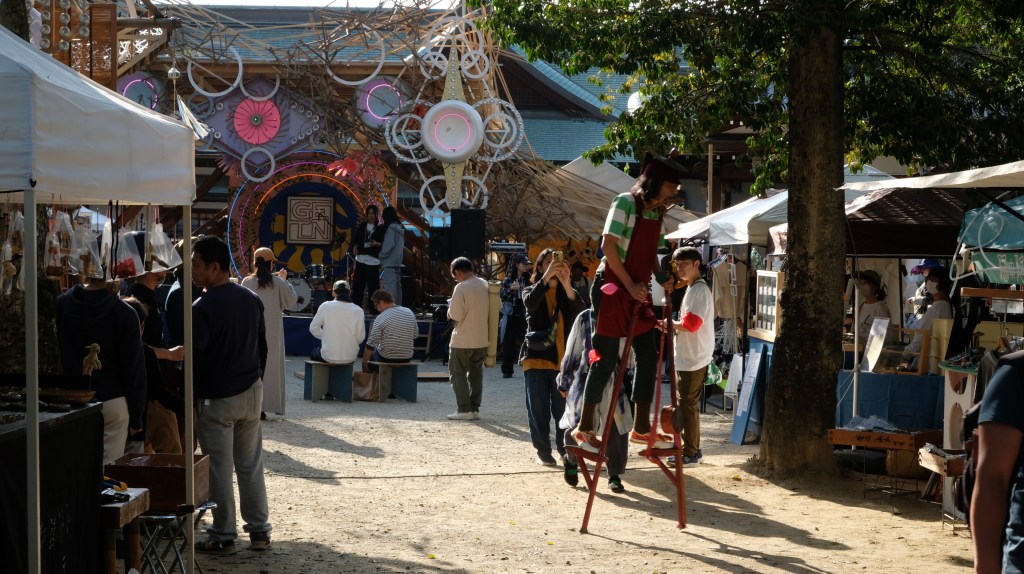
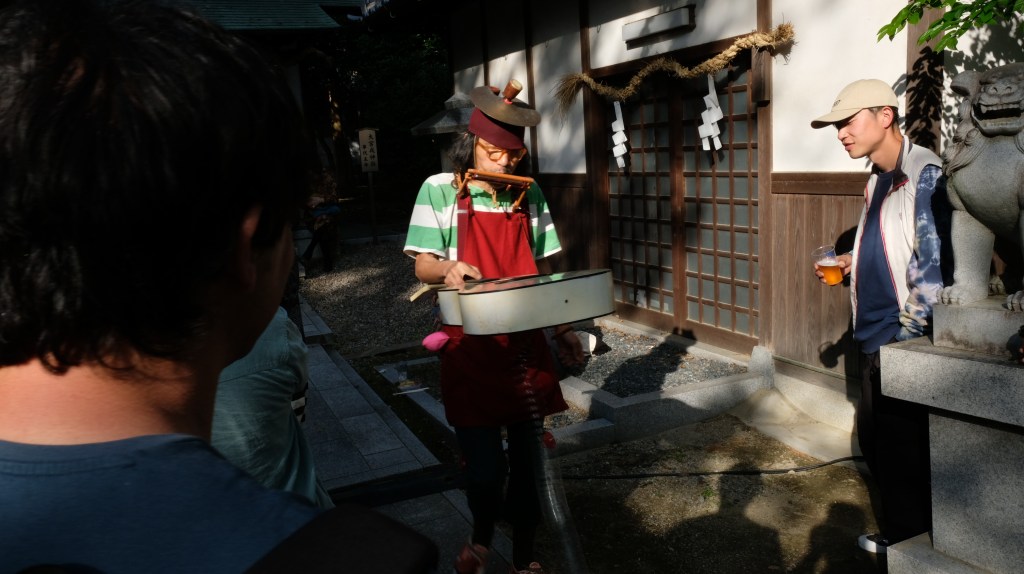
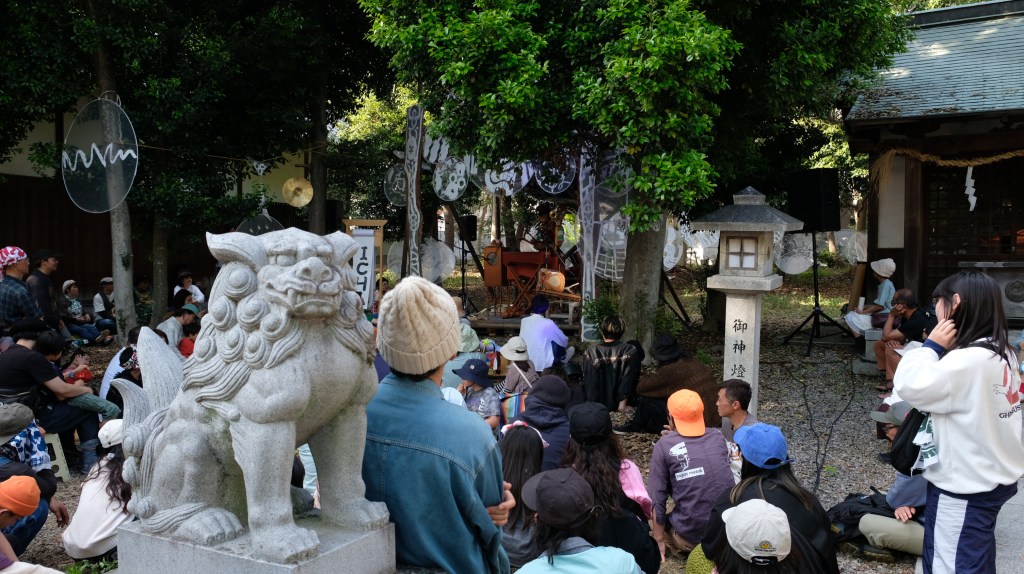
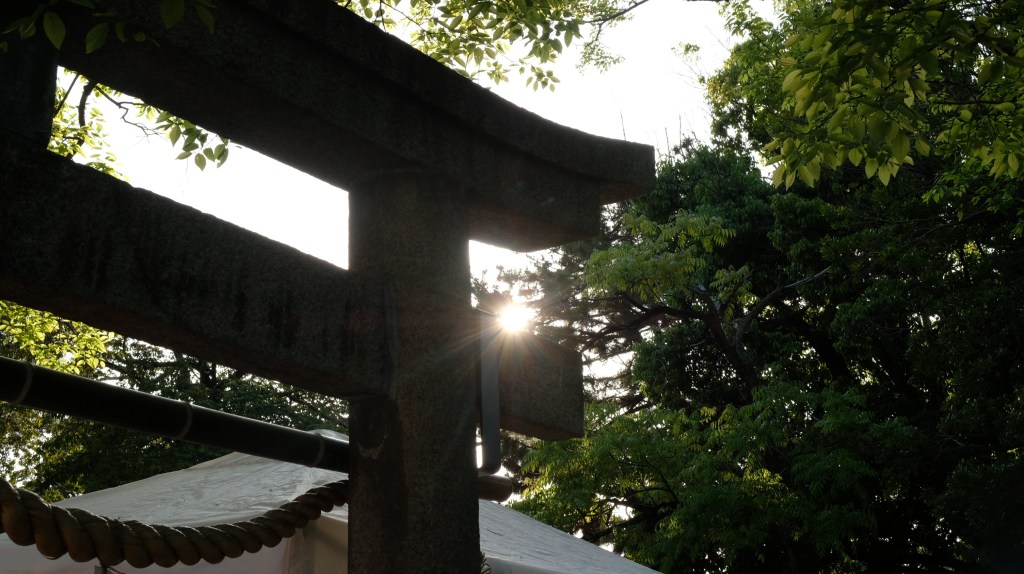
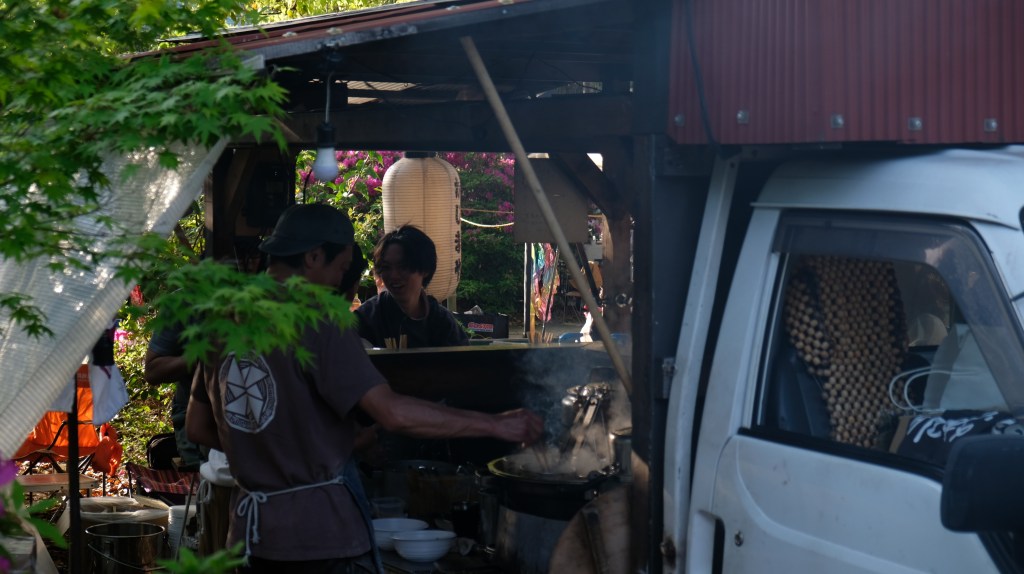
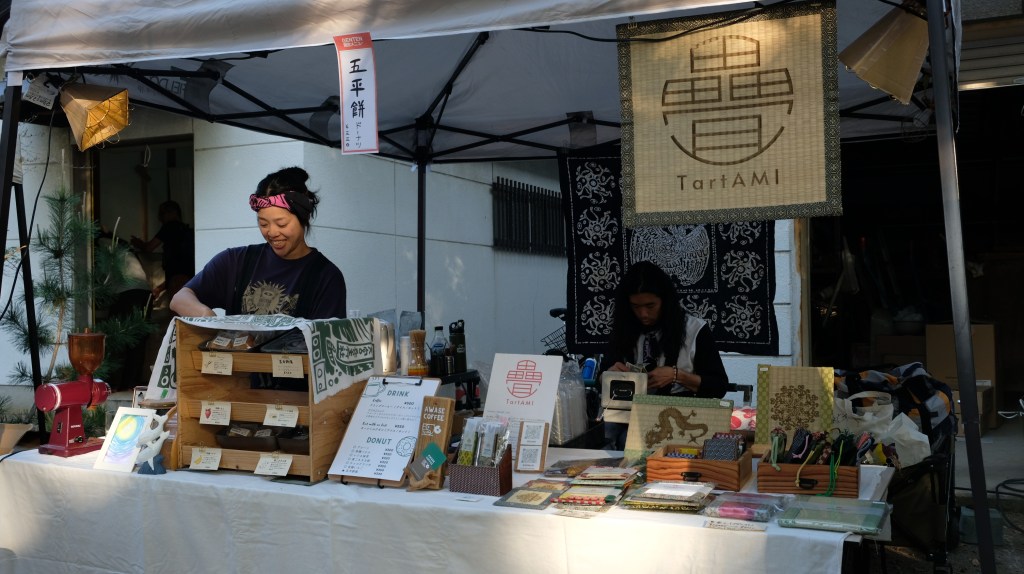
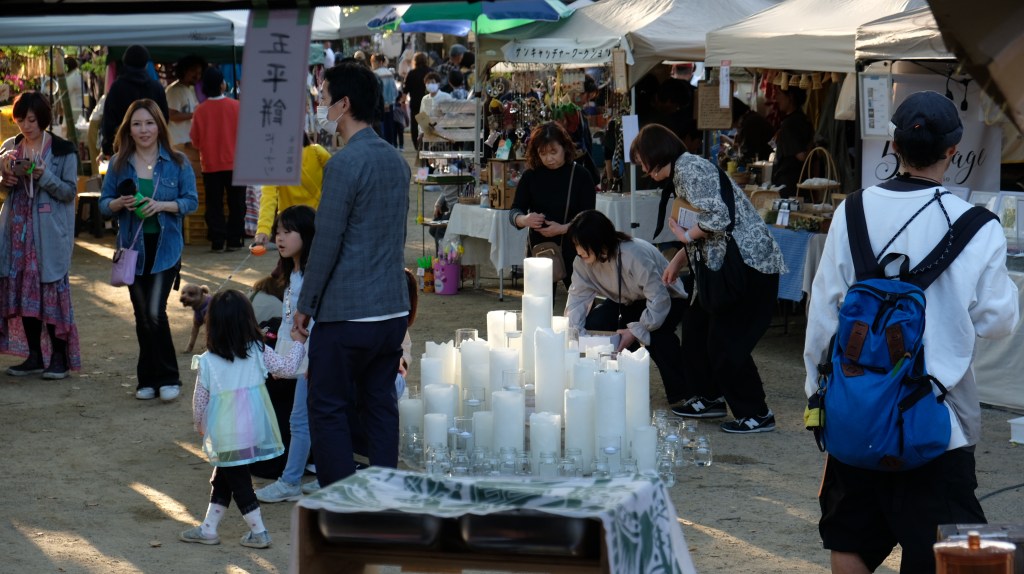
On 25 and 26 April, a small-scale festival with a genuine hippie atmosphere was held at a shrine in Kishiwada: Genten. There were many market stalls run by small entrepreneurs selling souvenirs, clothing, and above all food and drinks. Kana also had a stall there with her coffee and doughnut business, Awase. For several years now she has been making exceptionally delicious gluten-free doughnuts using, among other things, komeko (米粉), or rice flour. Issei sold small tatami products from his own brand, Tartami, from the same stall. Meanwhile, an abundance of talented musicians performed both traditional Japanese music and more experimental styles. At the same time, it felt as though summer was already beginning to peek around the corner, despite May not yet having started.
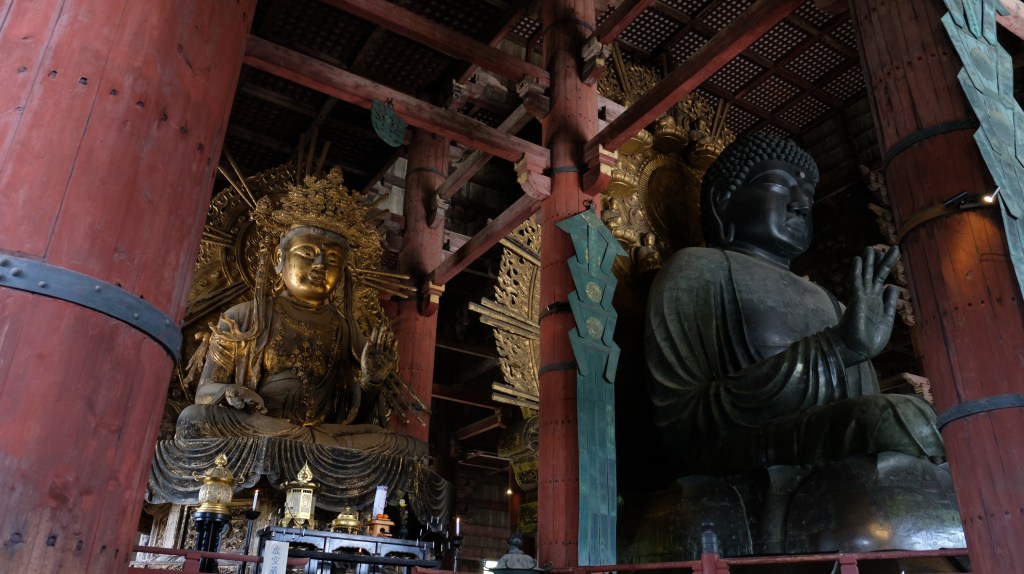
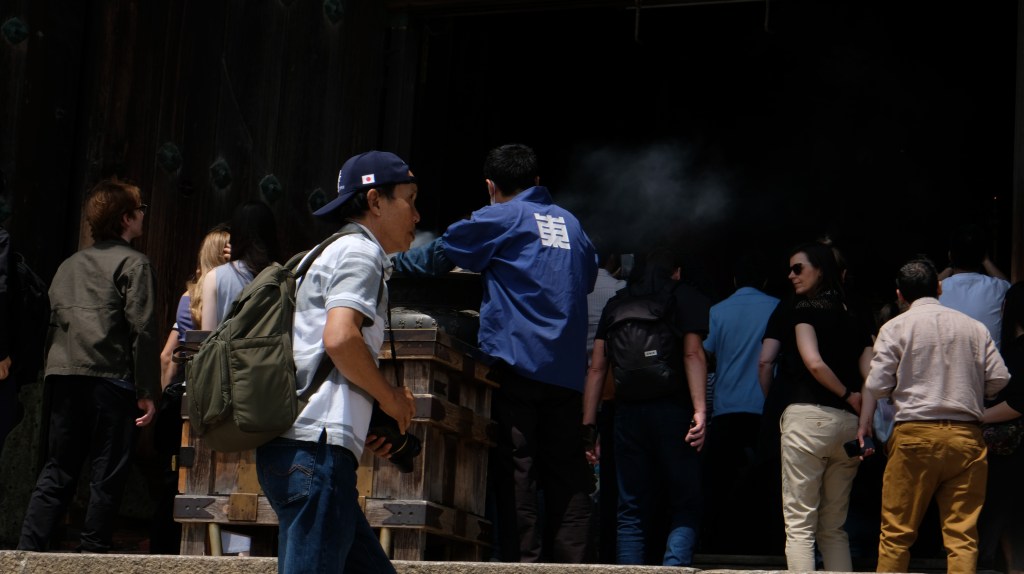
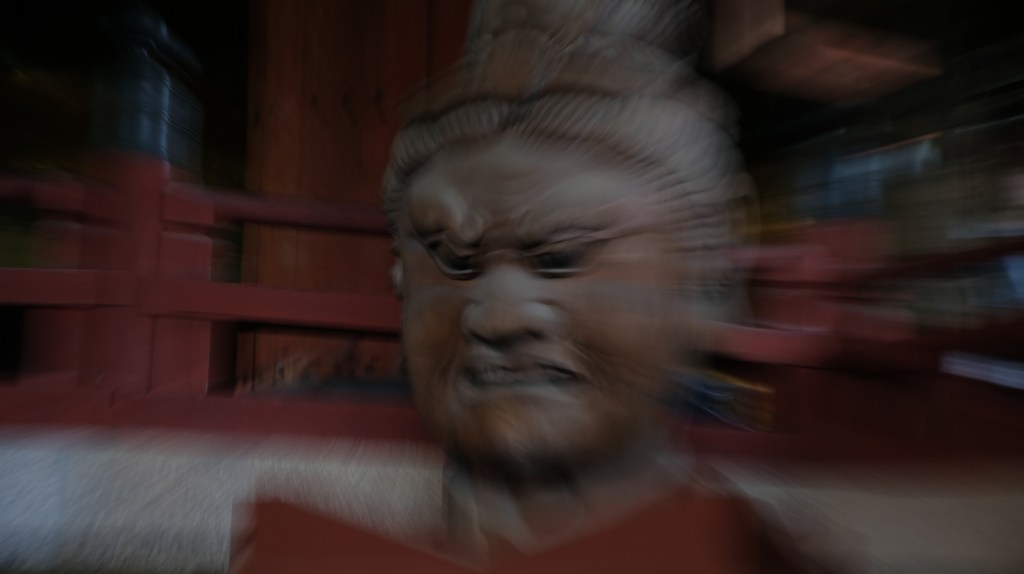
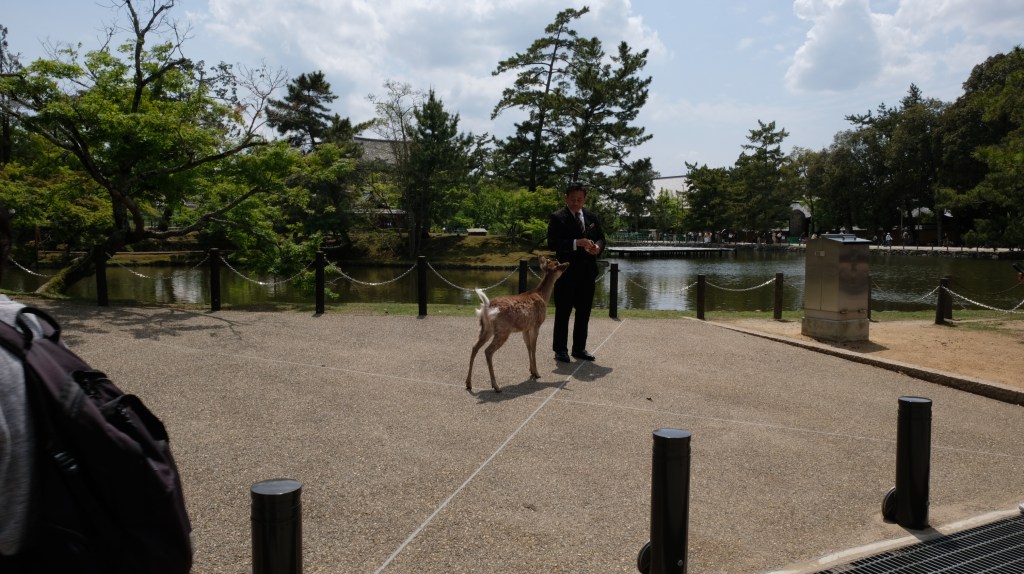
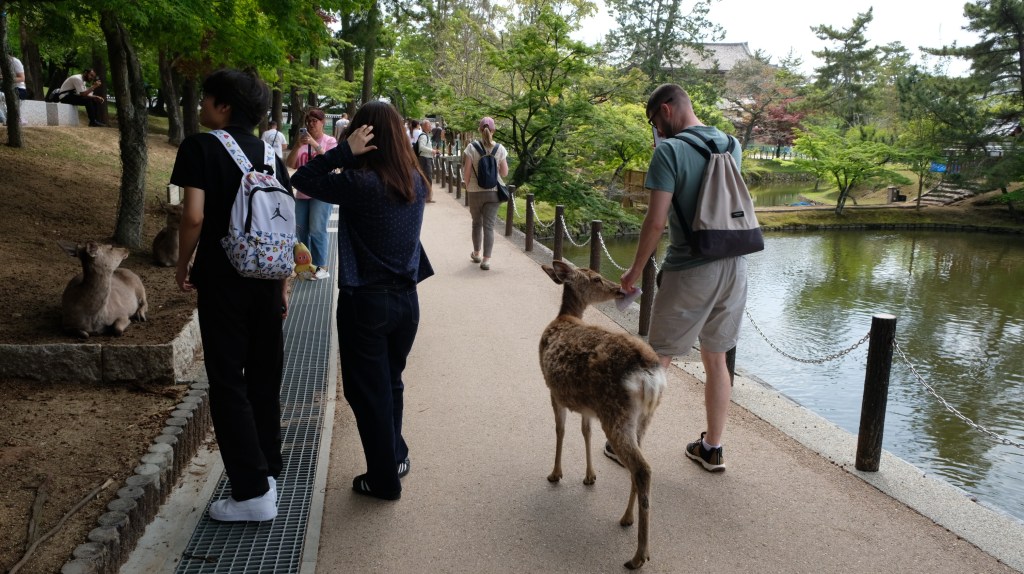
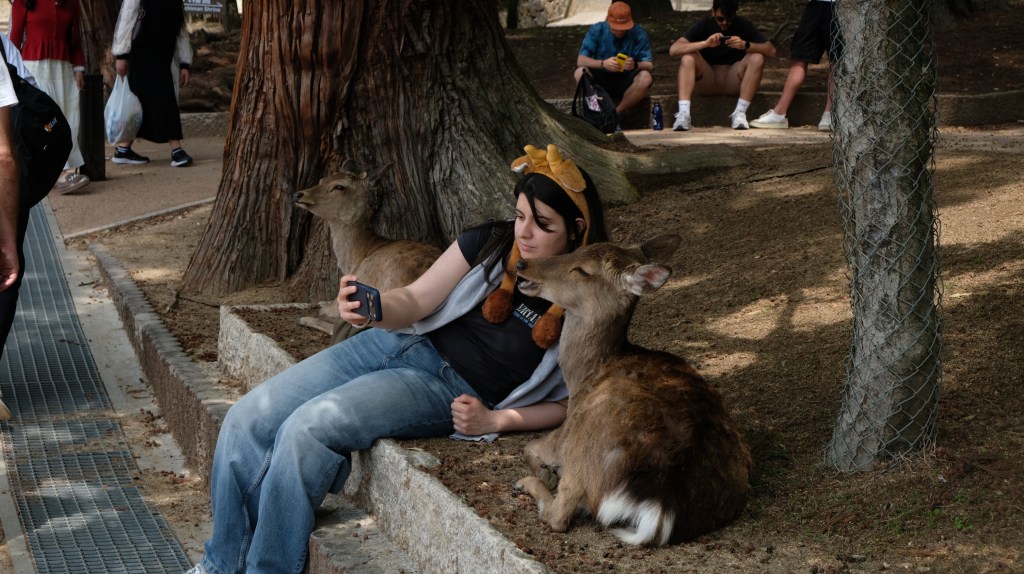
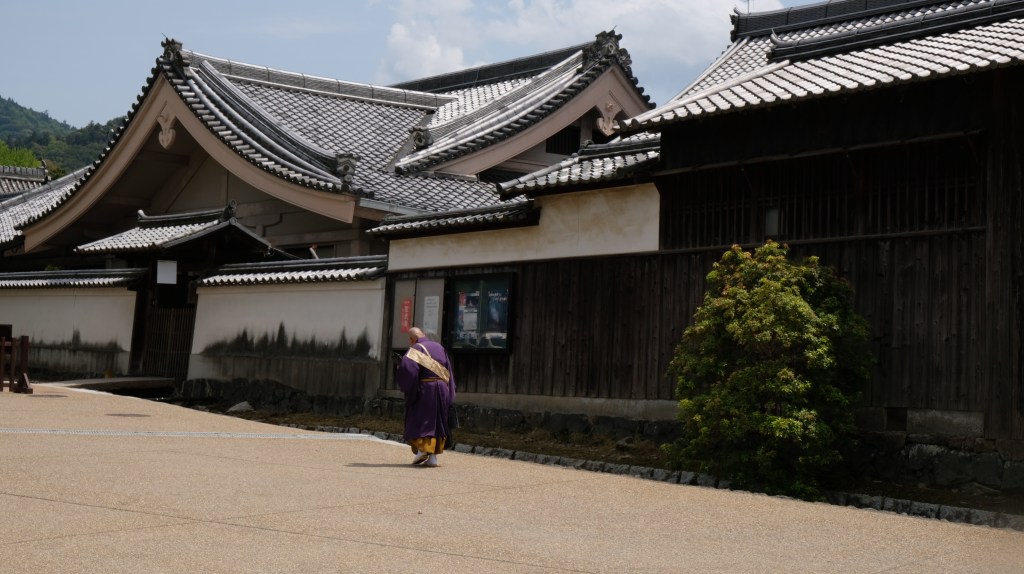
The days grew warmer; summer steadily advanced. At the end of April, on a particularly hot day, we took a trip by car to Nara to see the daibutsu (大仏). The city has by now become a major tourist attraction because of its rich history, ancient temples, and the unique sight of hundreds of freely roaming deer. According to Issei and Kana, it has become absurdly crowded in recent years compared with the period before Covid. Everyone wants a photograph with the deer in order to create “unique” content to take home. By evening, the city empties again, because most tourists are merely day-trippers rushing onward to the next famous destination, such as Kyoto, Osaka, or Hiroshima. In that sense, the same was somewhat true for us, and we concluded our day trip with a visit to a popular shop selling daibutsu pudding: Purin no Mori.
Our visit to Nara was the final day before Golden Week began. This is the period during which most people and all schoolchildren in Japan are on holiday, resulting in enormous crowds at recreational sites everywhere. For me, it means avoiding such places and spending most of my time in my home base of Izumi instead. Nevertheless, the guesthouse quickly filled with travellers from Europe and America, creating a lively atmosphere. Even so, I remained mainly focused on maintaining my rhythm regarding the tatami apprenticeship. Meanwhile, another visit from the Tokyo film crew was drawing closer. In May, they want to film my progress in the form of a test I must complete: making half a tatami mat, from kamachi to kayashi. As Issei said, perhaps it is a good thing that the film crew keeps us on our toes. “Otherwise we would get lazy.”



Leave a Reply